The Complete Guide to the French Way Camino de Santiago
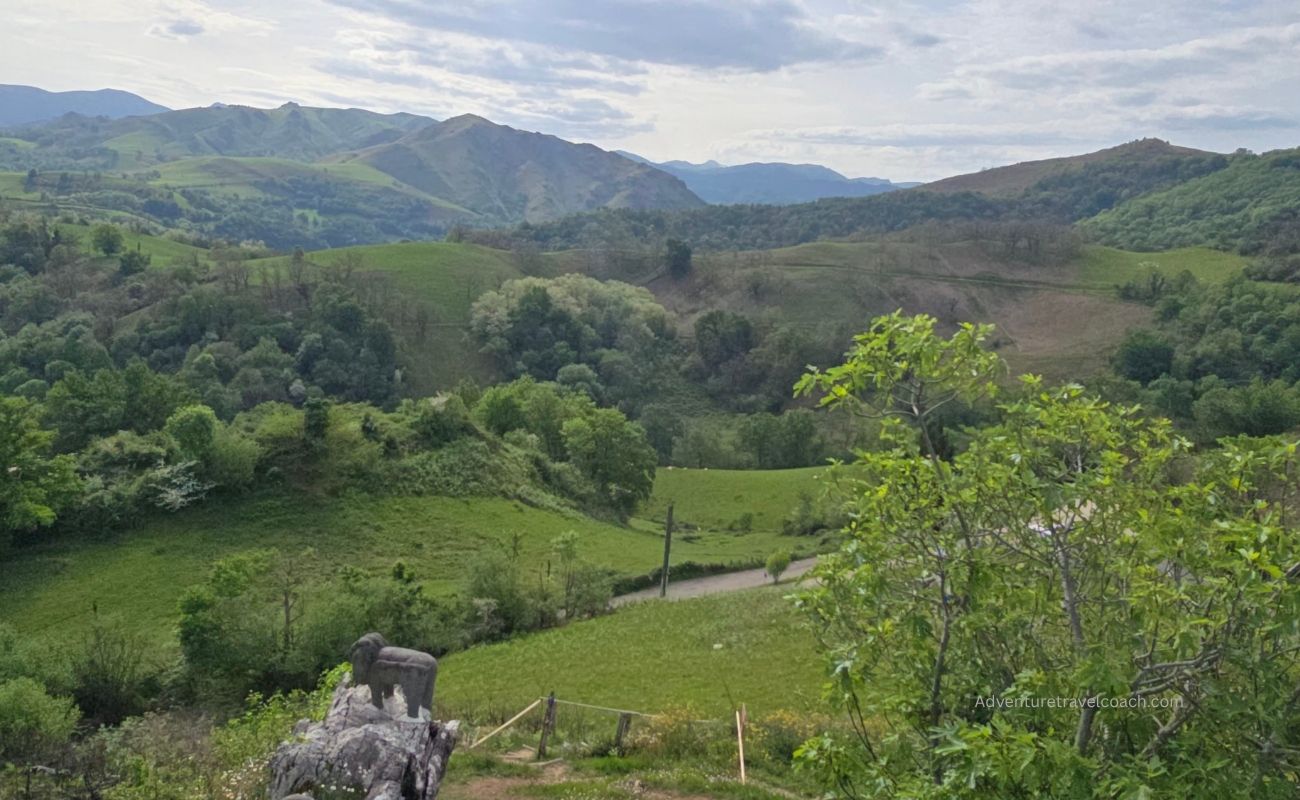
With a scallop shell swaying from my backpack, I traverse from France to Spain over the Pyrenees down to ancient villages, through forests, farmland and rolling hills. Whether you watch the sunrise or sunset over mountains, the ocean, or ancient castles, the Camino Francés promises an unforgettable experience. For centuries, pilgrims have followed these ancient paths to Santiago de Compostela. Some are driven by faith, personal challenges, Adventure, or simply a desire to find something more. Today, people from all walks of life take on the journey for countless different reasons. It offers an opportunity for personal reflection and cultural discovery, with unforgettable encounters along the way. As the most popular Camino de Santiago route, the Camino Francés is a physical challenge and an everlasting experience.
People from all walks of life embark on journeys for countless reasons. These journeys provide opportunities for personal reflection and cultural discovery, with unforgettable encounters along the way. The Camino Francés is the most popular and well-traveled route of the Camino de Santiago. Also known as the “French Way,” it presents both a physical challenge and a profound, lasting experience, making it a bucket-list journey for many pilgrims.
Not sure if the Camino Francés is the right Camino for you?
Before you start planning, take a look at my guide, Which Camino de Santiago Route Is Right for You?, to compare the different routes. That way, you’ll find the one that best suits your time, fitness and travel style. I also finished the Camino Portugués and will share my experience shortly.What is the Camino Francés?
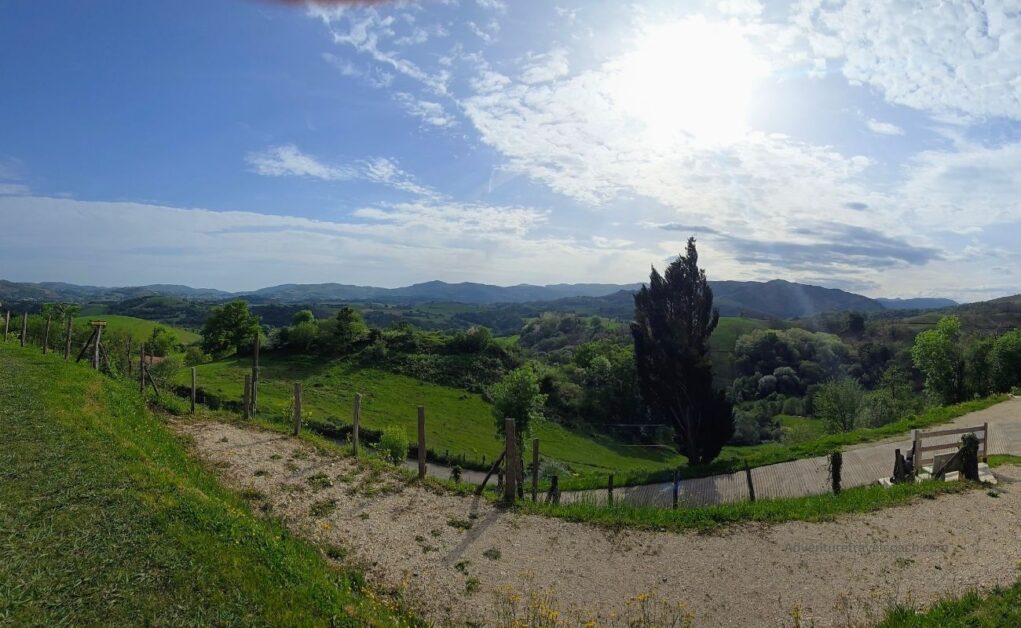
map of the camino francés
It stretches approximately 800 kilometres from Saint-Jean-Pied-de-Port in France to Santiago de Compostela in northern Spain. The walking experience, with well-marked trails, takes you through vineyards, mountains, and the vast plains of Castile and León. With excellent infrastructure, plentiful accommodation, and a welcoming pilgrim community, the Camino Francés is a good choice for both first-time and experienced pilgrims.
🥾 Thinking about whether the Camino Francés is the right route for you? Then check out my Complete Guide to the Camino Francés for everything you need to know before you embark on your journey. It includes my Camino Frances route map with personal experiences along the way.
How Difficulty is the Camino Frances
Considered a moderately difficult route, the combination of long distances and varied terrain can make it physically demanding. For most pilgrims, the greatest challenges are not the mountains themselves but overuse injuries such as blisters, knee pain and tendinitis. Training beforehand, wearing well-broken-in footwear and pacing yourself properly will help make the journey far more enjoyable.
Due to good infrastructure and a supportive pilgrim community along the route, you can plan shorter stages with no need to rush. Always keep in mind you do it for yourself, not to impress others.
Key challenges include:
- The Pyrenees: A demanding ascent of approximately 1,400 metres, followed by a steep descent to Roncesvalles.
- The Meseta: The long, exposed plateau between Burgos and Astorga, where limited shade and repetitive scenery test physical and mental endurance.
- The Galician Mountains: The memorable climb to O Cebreiro before entering Galicia.
🗺️ Stages of the Camino Francés
The classic route, Camino Frances stages spans approximately 780 to 800 kilometres with the start of Camino Frances at the medieval Basque town of Saint Jean Pied de Port in southwestern France. Most pilgrims complete this life-changing journey in 30 to 35 days, although your timeline will depend on your fitness, pace, travel style, and any unexpected problems, such as blisters or joint pain.
Because the trail has an excellent network of hostels (albergues), cafés, and luggage services, you have plenty of flexibility to design your own daily itinerary.
- 🏃 Standard Pace (20–25 km/day): This is the most popular choice. It balances a steady athletic challenge with enough afternoon downtime to rest, socialise, and explore daily destinations.
- 🚶 Relaxed Pace (15–18 km/day): Ideal if you prefer a slower journey. Shorter stages reduce physical strain and give you ample time to immerse yourself in the medieval villages, local vineyards, and historic sites along the way.
- ⛰️ Terrain Variables: Keep in mind that high-altitude sections—like crossing the Pyrenees on Day 1 or climbing to O Cebreiro—will naturally require shorter distances and more effort than the flat plains of the Meseta.
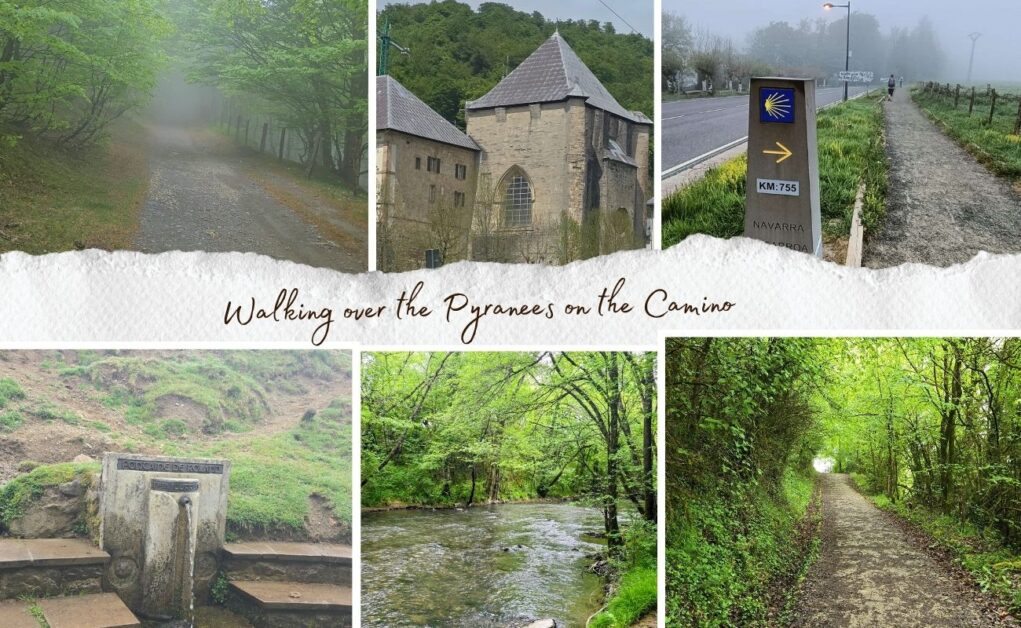
📍 Major Milestones & Sections
To help you map out your journey, the Camino Francés is traditionally broken down into these key regional sections:
| Camino Section | Approx. Distance | General Terrain & Highlights |
|---|---|---|
| Saint-Jean-Pied-de-Port to Pamplona | 65 km | Challenging Pyrenees mountain crossing; rewarding views. |
| Pamplona to Logroño | 75 km | Rolling hills, medieval bridges, and historic towns. |
| Logroño to Burgos | 120 km | Walking through the famous Rioja wine region. |
| Burgos to León | 175 km | The flat, vast, and deeply spiritual Meseta plateau. |
| León to Ponferrada | 100 km | Scenic mountain climbs through the Montes de León. |
| Ponferrada to Sarria | 95 km | Entry into lush Galicia, climbing the iconic O Cebreiro. |
| Sarria to Santiago | 100 km | The final, bustling stretch through eucalyptus forests. |
⏱️ Short on Time? Start at Sarria
If you cannot spare a full month, you can still experience the magic of the Camino. Starting in the town of Sarria allows you to walk the final 100 kilometres to Santiago in just 5 to 6 days. This is the most popular starting point on the entire network because 100 km is the minimum walking distance required to earn your official Compostela (Pilgrim Certificate).
⭐ Highlights of the Camino Francés
From the dramatic Pyrenees to the historic streets of Santiago, the Camino Francés takes you through some of northern Spain’s most beautiful landscapes, villages and cities. Some of the highlights include:
- Saint-Jean-Pied-de-Port – the traditional starting point and gateway to the Pyrenees
- Roncesvalles – a historic pilgrim village and your first major stop in Spain
- Pamplona – famous for the Running of the Bulls and its beautiful old town
- La Rioja – traverse through vineyards and enjoy some of Spain’s finest wine
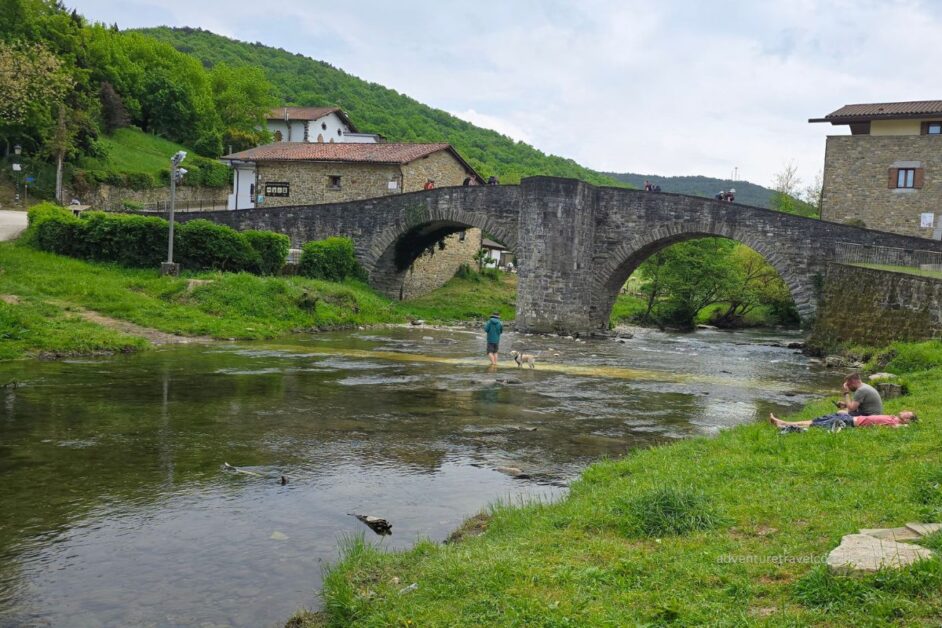
- Puente la Reina – historic Navarre town with ionic 11th century bridge.
- Burgos – home to one of Spain’s most impressive Gothic cathedrals
- The Meseta – vast open landscapes that offer a completely different Camino experience
- León – a beautiful historic city with an impressive cathedral
- Astorga – famous for its cathedral and Gaudí’s Episcopal Palace
- Cruz de Ferro – one of the most symbolic points on the Camino
- O Cebreiro – a beautiful mountain village marking your arrival in Galicia
- Santiago de Compostela – destination and home of the magnificent Cathedral of Santiago.
As you depart from the vibrant city of Pamplona, the majestic Hill of Forgiveness, known as Alto de Perdón, looms ahead on the horizon. This challenging ascent stretches over 2.5 kilometers, testing your endurance as you depart from the vibrant city of Pamplona to Puente La Reina.
Amidst the stunning landscape, you’ll discover an extraordinary steel sculpture depicting pilgrims on their journey to Santiago, a striking tribute to countless souls who traversed this path. However, the effort is richly rewarded as you reach the summit, with breathtaking panoramic views.
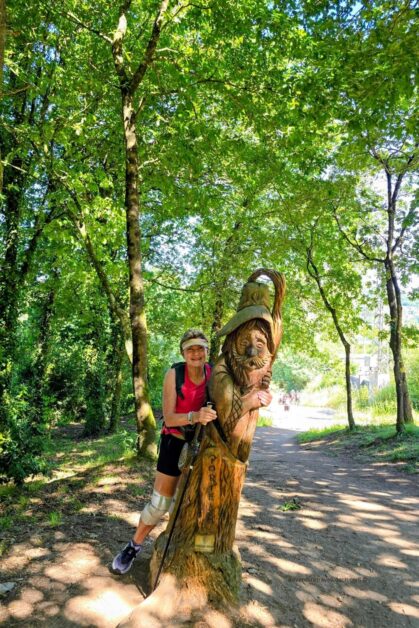
Many pilgrims take a 2km detour via the historical town of Muruzábal to witness the 12th-century Romanesque church of Santa María de Eunate before continuing to Puente la Reina. The stage from Pamplona to Puente La Reina is about 24km.
Key Challenges on the Camino French Way
- The Pyrenees: A demanding ascent of approximately 1,400 metres, followed by a steep descent to Roncesvalles.
- The Meseta: A long, exposed plateau between Burgos and Astorga, with limited shade and repetitive scenery testing physical and mental endurance.
- The Galician Mountains: The memorable climb to O Cebreiro before entering Galicia.
🗓️ Best Time to Walk the Camino Francés
- May–June 🌸 → Pleasant walking temperatures, green landscapes and spring flowers
- September–October 🍂 → Cooler temperatures, autumn colours and harvest season
- July–August ☀️ → Hot, especially across the Meseta, but still a popular time to walk
- April 🌱 → Beautiful spring scenery, although weather can be unpredictable
For comfortable walking conditions, May, June, September and early October are generally the best months to walk the Camino Francés.
Pilgrim Passport & Compostela
A pilgrim passport (Credencial del Peregrino) is an essential part of the Camino Francés and acts as your official identification. The passport grants you access to public municipality- and other low cost hostels, and Albergues. Altogether, allow you to collect stamps along the route, which you will need at the end to apply for your Compostela certificate in Santiago. proves you walked enough distance to earn your completion certificate in SantiagoY
If you don’t have time to walk the entire route, you can begin your journey in the town of Sarria, which is approximately 115 kilometers from Santiago. To qualify for the Compostela, you need to walk at least the last 100 kilometers, or 200 kilometers if you are cycling. The stamps will prove that you walked the distance to earn the Compostela.
Accommodation on the Camino Francés
If you prefer to plan your accommodation in advance, I recommend breaking the Camino into manageable stages and booking your overnight stays ahead of time, particularly during the busiest months.
🎒 What to pack?
Packing light is one of the best pieces of advice for the Camino Francés. Comfortable walking shoes, moisture-wicking clothing, a lightweight backpack, rain gear, a reusable water bottle, basic toiletries and a small first-aid kit are among the essentials.
Look out for my upcoming complete Camino de Santiago Packing List, with a detailed list of everything you need — and what you can leave at home.
Frequently Asked Questions About the Camino Francés
Can I walk only the last 100 km of the Camino Francés?
Yes. If you don’t have time to walk the full route, you can start in Sarria and walk the final 100 km to Santiago. This is enough to qualify for the Compostela certificate, provided you meet the required conditions.
Do I need a pilgrim passport?
Yes, if you want to receive the Compostela certificate. Your pilgrim passport is stamped along the route as evidence of your journey.
Should I book accommodation in advance?
Booking ahead is recommended during peak-times, particularly if you want a private room rather than staying in an albergue.
Is it safe to walk the Camino Francés alone?
Yes. The Camino Francés is popular with solo pilgrims, which make it a good choice for those travelling alone. Not sure which Camino route is right for you? Before you start planning your Camino Francés adventure, take a look at my Comprehensive Camino guide.
Which Camino de Santiago Route Is Right for You? will help you to make and informed decision on the route that best suits you.
Can I continue walking after Santiago?
Absolutely — and highly recommended! From Santiago, you can extend your Camino journey to the Atlantic coast, either by walking the Camino Finisterre or travelling by bus to Finisterre or Muxía. I’ve visited both during my French Camino route and will be sharing more on these beautiful coastal destinations soon.
How much does the Camino Francés cost?
Your expenses will depend on your chosen comfort tier, accommodation preferences, and whether you pay for optional support services.
| Budget Tier | Daily Estimate | Accommodation Type | Food Style |
|---|---|---|---|
| Thrifty / Tight | €25 – €35 | Municipal albergues (dorms) | Supermarket cooking & basic snacks |
| Moderate / Standard | €40 – €65 | Mix of public & private albergues | Cafe breakfasts, Pilgrim Menus for dinner |
| Comfort / Private | €70 – €120+ | Private rooms, pensions, or hotels | Eating out for every meal at restaurants |
| Fully Guided / Luxury | €150 – €300+ | Pre-booked hotels & country estates | All meals out, wine, and local specialties |
Camino de santiago luggage transfers
Luggage transfers are available along the Camino Francés, allowing pilgrims to have their main backpack transported from one accommodation to the next while they walk with a lighter daypack. Prices generally range from €5 to €8 per bag, depending on the company and stage. Most companies offering reliable luggage transfer on the French Camino, also known as the Francis Camino have a weight limit of between 15 kg and 20 kg per bag.
My experience: I have personally used Top Santiago on my Camino Frances route and can recommend their service. I found the luggage transfer process reliable and convenient, which is exactly what you want when walking the Camino and carrying only a small daypack.
1. Top Santiago
Reliable Top Santiago is a luggage transfer service for pilgrims walking the Camino de Santiago in Portugal and Spain. They transport your luggage stage by stage, from your starting accommodation directly to your next stop, operating along several popular Camino routes.
How it works: You can book online 24/7 through their website, or via WhatsApp. They only accept credit card, PayPal, or bank transfer, not cash. Leave your luggage at the reception of your accommodation in the morning, ready for collection. Your bag is then transported to your next accommodation, so you can walk the stage without having to carry your main luggage.
Weight limit: Top Santiago accepts bags weighing up to 20 kg (44 lbs) per piece of luggage.
2. Jacotrans Bag Transfers
Well-known Jacotrans operates extensively along the Camino Francés, from Saint-Jean-Pied-de-Port or Roncesvalles all the way to Santiago de Compostela. Luggage transfers must be arranged in advance, either via WhatsApp the day before or by leaving the payment in cash in an envelope attached to your luggage at your accommodation’s reception. Your bag should be ready for collection before 8:00 AM.
Weight limit: Jacotrans has a strict maximum weight limit of 15 kg (33 lbs) per piece of luggage. Your luggage will typically arrive at your next booked accommodation by around 2:00 PM.
📱 Useful Camino Frances Apps
If you are planning to walk the Camino Francés, I highly recommend adding one of the following apps. These apps serve as excellent digital guides for the French Way Camino de Santiago.
- Wise Pilgrim: This app is great for offline tracking, calculating distances, and sending pre-formatted WhatsApp messages for bookings.
- Gronze: Offers community-driven stage planning and provides accommodation overviews through its web platform.
- Buen Camino: A solid free alternative that many pilgrims find useful.
Many walkers use a combination of Camino apps—Buen Camino, Wise Pilgrim, and Gronze—to help prepare for their journey. These helpful tools will assist you in planning your route, including bookings and mapping.
Another option is to work out your own Itinerary which I did, or pay to join a group with several Camino Frances route planner options.