
Best Time to Visit the Eastern Cape
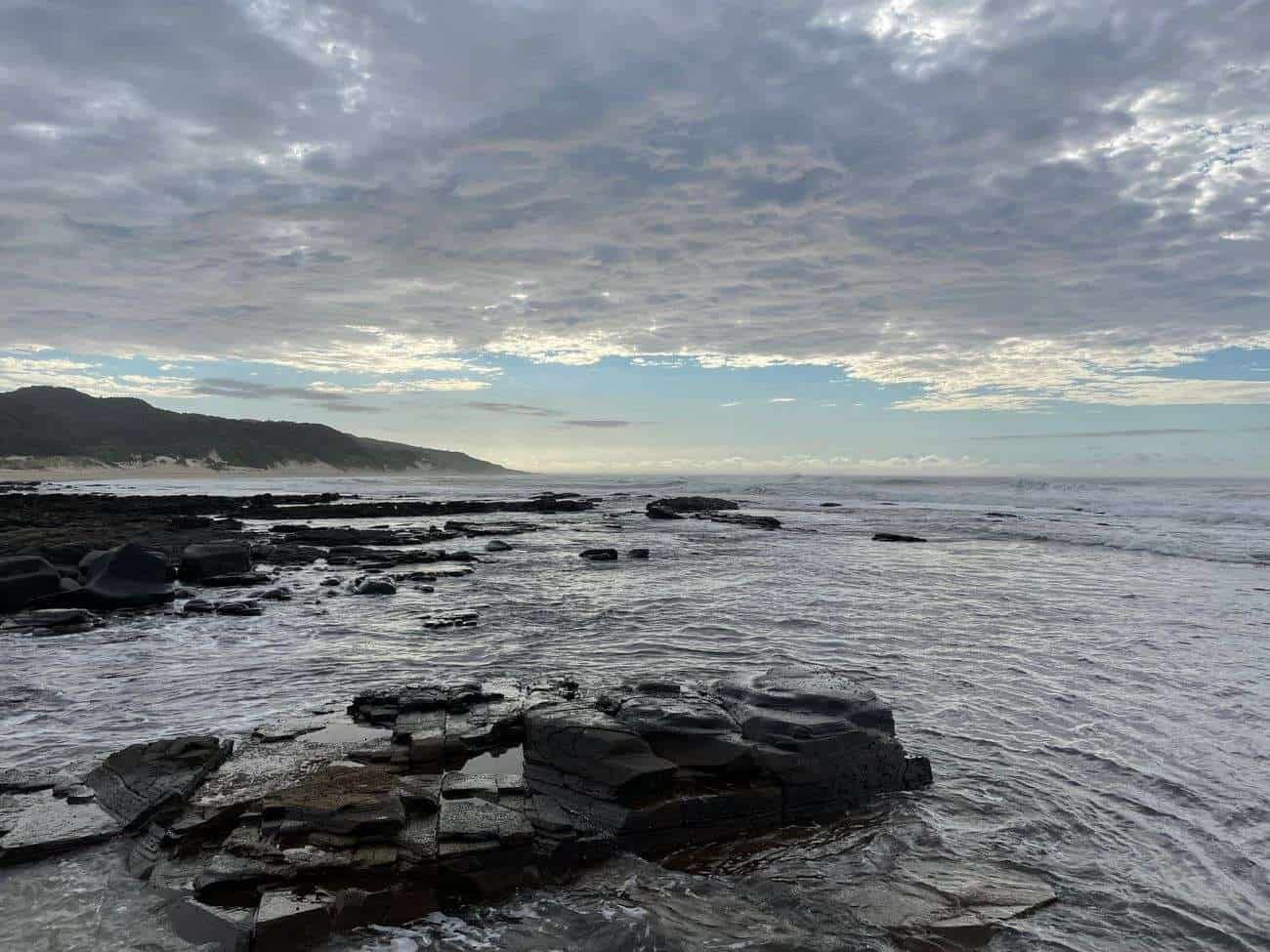
Are you planning a trip to South Africa’s famous Sunshine Coast but unsure when to visit the Eastern Cape, then you’re in the right place! The Eastern Cape is a year-round destination and celebrated for its beautiful untouched coastlines, boasting more sunshine hours than any other coastal resort in South Africa. The climate of Eastern Cape province is characterised by a diverse range of conditions due to its varied topography and geographical features. Eastern Cape temperatures vary significantly and Summers tend to be warm, with occasional rainfall, while in wintertime the Eastern Cape climate are usually mild and dry. The province also has areas with a Mediterranean climate, particularly in the southern parts, where rainfall is more evenly distributed throughout the year. Therefore consider your weather preferences and the activities you want to participate in when choosing the best time to visit Eastern Cape.
Eastern Cape Weather Seasons
Summer Season in Eastern Cape
The summer season in the Eastern Cape stretch from November to March, characterised by warm temperatures ranging between 25°C and 30°C (77°F to 86°F), clear blue skies, with occasional rain. Known for its beautiful beaches and diverse ecosystems, summer is one of the best times to visit the Eastern Cape and perfect for exploring the beaches, swimming, surfing, and hiking.
In summer, the coastal areas experience pleasant ocean breezes, while the interior features rolling hills and lush vegetation. This is also when many cultural events and festivals take place, showcasing the rich heritage of the Eastern Cape. Therefore, sun seekers who love beach holidays, the best time to visit the Eastern Cape is from December to March. Overall, January which tends to be the hottest month are usually also the wettest month.
Autumn Season
During the Autumn months, April to May, in the Eastern Cape, weather temperatures are moderate and humid, ranging between 21°C and 28°C. Evenings and early mornings can be pretty cool. Expect up to 4 rainy days during these months. What I love about Autumn is the changes in the colours of some plants and tree leaves. Although April is the start of Autumn, it is a perfect time to explore the Cape Town Province.
Winter Season
The winter season in the Eastern Cape spans from June to August, during which the days are typically pleasant, with clear skies and occasional cold snaps. Characterised by cooler temperatures and generally dry weather, this region is ideal for a variety of outdoor activities and wildlife viewing. The Eastern Cape offers diverse landscapes, showcasing the province’s natural beauty during the winter season, with nighttime temperatures dropping to as low as 7°C.
July is typically the coldest month in Eastern Cape, South Africa, with temperatures in the low 40s F. While snow is rare along the coast, it can occur in mountainous regions, particularly in the Lootsberg Pass and the Stormberg Mountains. Molteno, known as the coldest town in South Africa, is situated near the renowned Tiffindell Ski Resort, the country’s only ski resort.
Spring Season
However, in the Eastern Cape, temperatures during the day average around the low 20s, and the rainfall is higher than in the other provinces in South Africa. One can expect about six days of rain, with 13 mm during June, seven days during July, and nine during August.
With cool evenings, things start to warm up again during Springtime, September to November. One can expect about 3 to 5 rainy days during these months. If possible, plan your trip to visit the Eastern Cape during summertime, when days are mostly sunny and pleasant with little rain.
The Eastern Cape High Season
Peak season, often referred to as high season in the Eastern Cape, represents the busiest and most costly time for tourism in the region. This period typically spans from December to January. During these times, travellers can expect increased demand for accommodations, activities, and attractions, often resulting in higher prices.

Eastern Cape Weather Conditions and Climate
So now that you know what the weather seasons hold, let’s consider other aspects when visiting the Eastern Cape. The best or ideal time to visit the Eastern Cape Province in South Africa depends on the experience you want.
rainfall in Eastern Cape
The Eastern Cape coast of South Africa experiences varying patterns of rainfall due to its unique climate, and geographical features influenced by ocean currents and wind patterns. Although the rainfall in the Eastern Cape vary significantly with higher rainfall in the coastal zones compared to the drier inland regions, the region receives most of its rainfall between October to March. The rainy season in the rest of South Africa is mainly during the summer months unlike the Western Cape with highest rainfall occur during their winter months between May and August.
Eastern Cape Humidity and Wind
The Eastern Cape climate is characterised by varying wind levels, ranging from gentle breezes to strong gusts. This wind influences both the ecosystem and agricultural practices in the region. Humidity levels can also vary significantly, especially in coastal areas, which have a subtropical feel, while the interior regions tend to be drier.
July is the least humid month, with a relative humidity of 51.7%, while February is the most humid, with a humidity level of 71.5%. Although wind conditions in the Eastern Cape can vary significantly from moderate to intense, June is typically the windiest month, with an average wind speed of 8.5 knots, is still considered a gentle breeze.
Disclaimer: Some links on this page are affiliate links. If you click through and make a purchase (at no additional cost to you), I might earn a small commission.

Eastern Cape Temperatures by Month
Daily highs (averaged for the month) usually indicate the weather in the Eastern Cape and a significantly lower generally means it gets colder at night.
Eastern Cape temperatures in January
January is a pretty good time for a summer beach holiday. During this period, you can expect pleasant temperatures with little precipitation with an average daily temperature of 22 degrees.
Temperatures in February Eastern Cape
Were you worried about the average Eastern Cape in South Africa weather conditions in February and the chances of rain? Don’t stress, as the predicted rainfall during February is 18 days, totalling 28.3 inches.
March Temperatures in the Eastern Cape
There are on average 7 hours of sunshine a day in the Eastern Cape during March. Temperatures to expect are usually 77° / 64° with 28 dry days. Other opinions are the following: Maximum 76° in March in Eastern Cape with at least around 56° degrees, and it will be dry 14 days in this month.
April Temperatures in Eastern Cape
In April, the weather in the Eastern Cape typically showcases the transition from summer to autumn. Temperatures begin to cool down, with average daytime highs ranging from 20°C to 25°C (68°F to 77°F) in many areas, while nighttime temperatures can drop to around 10°C to 15°C (50°F to 59°F). Although one can expect occasional showers, rainfall in April is moderate.
April is one of the best times to visit the Eastern Cape, with clear skies and warm temperatures as beautiful, vibrant autumn colours begin to appear. The average maximum daytime temperature in Gqeberha in April lies at 25.2°C (77.36°F). Rainfall during April is typically around 8 inches, accompanied by 221 hours of sunshine.
Temperature in May in The Eastern Cape
However, May is pleasant and sunny; it is too cold for swimming unless you are courageous. Besides that, May is predominantly dry, but expect occasional light showers.
June in the Eastern Cape
June in the Eastern Cape is characterised by cool, crisp weather as winter begins to settle in. Average daily temperatures can be expected to range from 17°C to 23°C, with reduced rainfall. June is an ideal time for outdoor activities such as hiking and game viewing, as well as experiencing the Eastern Cape’s unique flora and fauna, which are more visible during this season.
July in the Eastern Cape
Usually, the days in July are relatively pleasant, although the sky may be overcast, with temperatures fluctuating around 19℃. July often sees various local events and festivals that showcase the rich traditions and vibrant community of the Eastern Cape. Therefore, it’s a good month for both adventure and cultural experiences in this diverse province.
Weather in the Eastern Cape in August
August in the Eastern Cape is typically dry, with clear skies with average daily temperatures between 15°C and 19°C, with expected rain. I won’t recommend August as the best time to visit the Eastern Cape.
September in The Eastern Cape
Temperatures during September range around 20°C, with low rainfall, but occasional showers can occur. It’s an excellent time for outdoor activities as the landscape begins to bloom with vibrant flowers.
Eastern Cape Temperatures in October
October in the Eastern Cape typically marks the transition into spring, bringing increased rainfall which play a vital role in supporting the region’s agricultural activities and replenishing water sources. This period is characterised by warmer temperatures that averages around 21°C. Coastal areas often experience moderate temperatures, while inland regions tend to have slightly warmer conditions.
November Eastern Cape Temperatures
In November, the Eastern Cape experiences warm and pleasant weather, with average daily temperatures around 22°C. This makes it an enjoyable time to explore the region.
Wild Coast & Sunshine Coast
Check Port St.Johns Weather and Coffee Bay Weather on the Wild Coast by going to Port St.Johns and Coffee Bay Temperatures. East London is the closest city to the Wild Coast: Seven-day East London weather forecast. With its short and warm summers, Port Elizabeth on the Sunshine Coast, also known as the windy city, has long, cool, dry winters. For weather forecasts for Jeffreys Bay and the rest of the Eastern Cape, go to Eastern Cape Weather. The inland temperatures are very similar, with daily temperatures slightly higher throughout the year.
If you are visiting the mother city of Cape Town, here are the Top 10 things you won’t want to miss in Cape Town.
Citation: “This article has been polished using Grammarly’s AI tool.”
Pin for later









We went in February this year and had great weather!
Would love to join 😍
Thank you for the information…wil surely plan to travel and enjoy the view and experience…