Which Camino de Santiago Route Is Right for You?
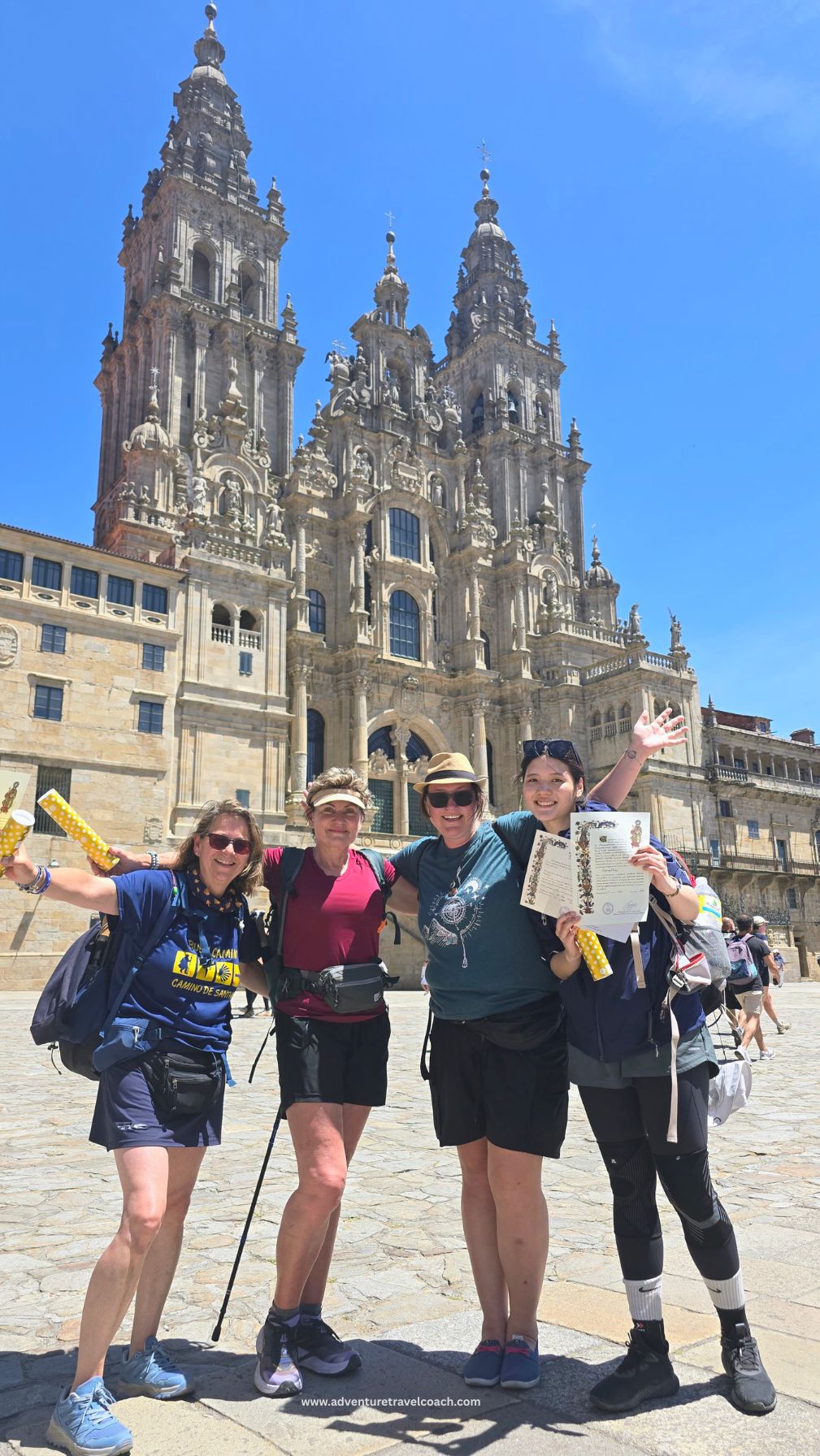
What Is the Camino de Santiago?
The Camino de Santiago is a network of ancient pilgrimage routes leading to Santiago de Compostela in northwestern Spain. Originally a Christian pilgrimage, today the Caminos in Spain attract people from all walks of life. Some walk for faith, others for adventure, personal growth, or simply the joy of exploring beautiful landscapes. With several Camino routes to choose from, each route offers a unique experience. The question is not whether you should walk the Camino, but which route is right for you. This guide compares the popular Camino Santiago routes, distances, and scenery to help you choose the perfect route for you.
Why Are There So Many Camino de Santiago routes?
There isn’t just one Camino de Santiago across Europe, but dozen official Camino routes leading to Santiago de Compostela. Over centuries, pilgrims travelled from their own villages creating a network of routes that lead to Santiago de Compostela. Some routes follow rugged mountain trails, while others pass through vineyards, forests, rolling countryside or the coast. Today, each Camino offers a different experience, allowing you to choose a route that best matches your fitness level. Altogether, the time you have available, and the type of journey you’re looking for.
Although many people refer to it as “the Camino” or “El Camino,” there isn’t just one route. The Camino de Santiago is a network of pilgrimage routes, each offering a unique experience. Both the French Way and the Northern Camino routes in Spain were inscribed on the UNESCO World Heritage List. Thereafter, in 1998, the routes in France were added due to their historical significance for Christianity.
Some of the links on this page are affiliate links. If you click through and make a purchase (at no additional cost to you), I might earn a small commission.
How to Choose the Right Camino Route
Every Camino route has its own character. Some lead through peaceful countryside and quiet villages, while others follow dramatic coastlines or pass through vibrant towns and cities. Consider the following important Factors when choosing your Camino Route.
What Kind of Camino Experience Are You Looking For?
While some routes are busy and social, making it easy to meet fellow pilgrims, others offer more solitude and reflection. What journey do you want to experience, as this will help you choose the best Camino route to enjoy truly.
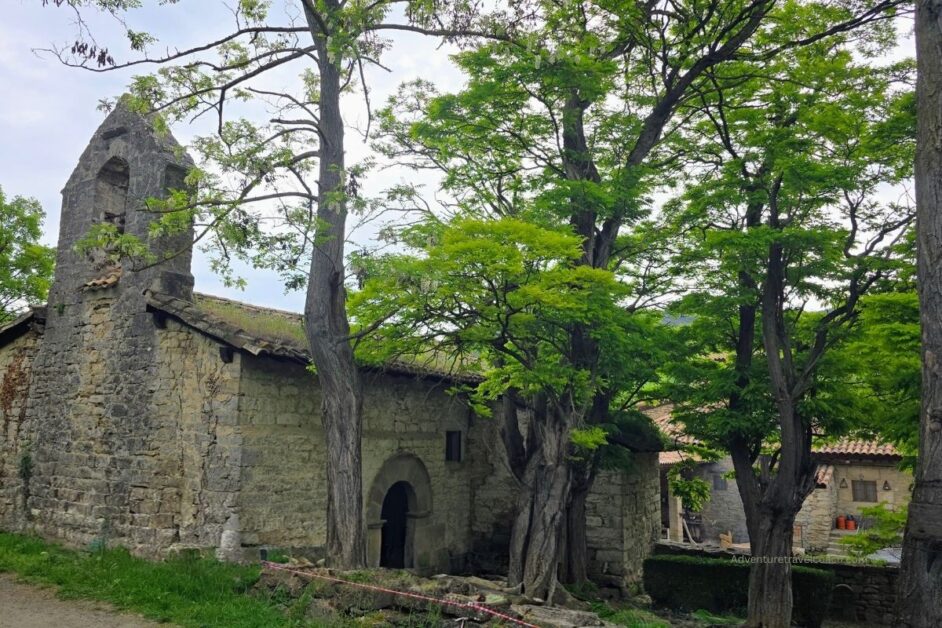
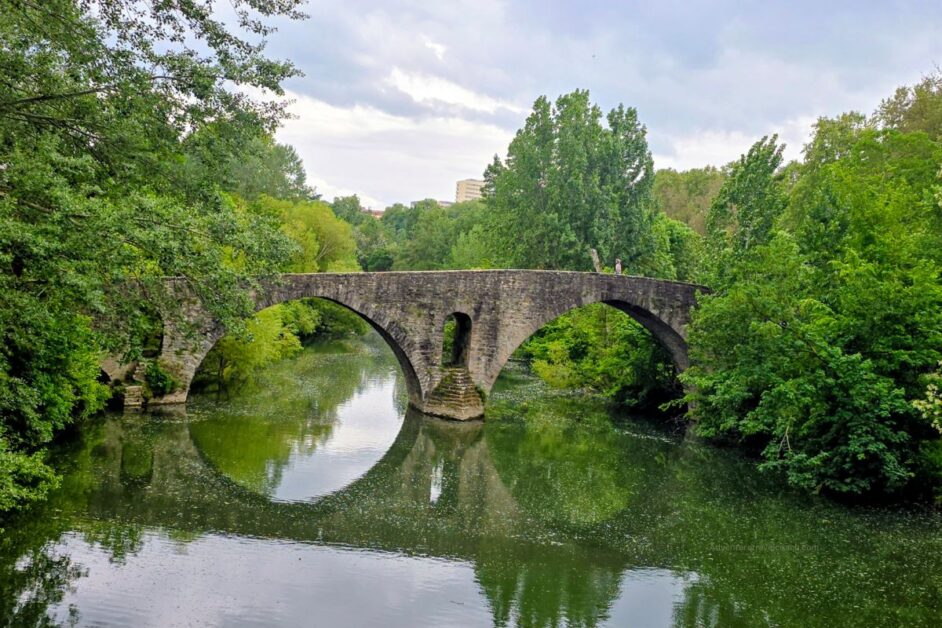
Which Camino Has the Most Beautiful Scenery?
If spectacular scenery is high on your list when choosing a Camino, the Camino del Norte and Camino Primitivo are singled out for their beautiful landscapes, and different experience. The Camino also provides a unique social experience, with pilgrims from around the world sharing the journey. Some routes are lively making it easy to meet fellow walkers, others, quieter, for those seeking solitude and reflection. Choose a route that matches both the scenery you’re looking for and the type of Camino experience you want.
camino de santiago routes distances
The Camino de Santiago route distances vary considerably, from 119-km Camino Inglés to approximately 1,000-kilometre Vía de la Plata, making it important to choose a route that suits your time and fitness level.
Your Fitness Level
Not all Camino routes are the same. Some are relatively gentle, while others include steep climbs, rocky paths and long days on the trail. Before choosing a route, honestly assess your fitness level and consider how much walking you’re comfortable doing each day.
If it’s your first Camino, a route with good infrastructure and gradual terrain may be a better choice than one wity physical demands. Remember, the best Camino isn’t the hardest one—it’s the one you’ll enjoy and be able to complete safely.
How Much Time Do You Have?
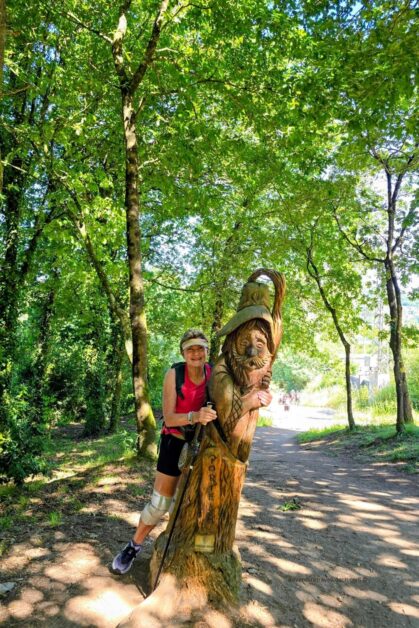
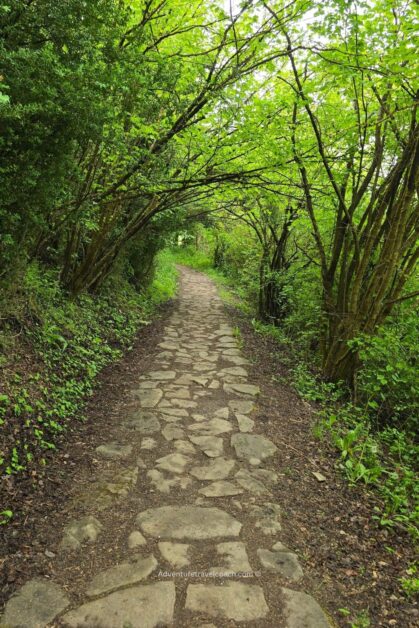
The amount of time you have available will play a big role in choosing the right Camino route. While some pilgrims walk a full Camino over several weeks, others complete only a section in a week or two.
Don’t feel pressured to walk an entire route in one trip. Choose a Camino that fits your schedule, allowing enough time to enjoy the journey rather than rushing to reach Santiago. If possible, include a few rest days to explore the towns, attractions and beautiful scenery along the Way.
The Most Popular Camino Routes
Camino Francés
As the most popular Camino de Santiago route, the French Way offer incredibly diverse cenery, from Idyllic Pyrenees Mountains, to forests and rivers. It traverses charming villages, historical cities, the golden plains of La Meseta, vineyards, and the Celtic-inspired hills of Galicia. Puenta la Reina sits 24 km southwest of Pamplona and generally serves as the meeting point for the French and Aragonese routes.
Difficulty and length
Although generally considered a moderate Camino, it is physically demanding due to its length and a few significant climbs. Starting in Saint-Jean-Pied-de-Port, the about 800 km journey typically takes 35 days to complete. The length of your journey, however depends on your daily distance and chosen rest days.
Key challenges include:
- The Pyrenees: A demanding ascent of 1,400 m from Saint-Jean-Pied-de-Port to the Collado Lepoeder. Thereafter, expect a steep descent down to Roncesvalles.
- The Meseta: Extremely long, exposed plateau between Burgos and Astorga is mentally challenging due to its repetitive scenery and limited shade.
- The Galician Mountains: The climb to O Cebreiro is one of the most memorable ascents on the Camino Francés.
For most pilgrims, the greatest challenges are not the terrain but overuse injuries such as blisters, knee pain and tendinitis. Training beforehand, wearing well-broken-in footwear and pacing yourself will help make the journey far more enjoyable. The Camino Francés is ideal for first-time pilgrims looking for the classic Camino experience with good infrastructure and opportunities to socialise.
🥾 Thinking the Camino Francés might be the route for you? I’ve put together a Complete Guide to the Camino Francés, covering everything you need to know before setting off — from stages and difficulty to accommodation, packing and practical tips.
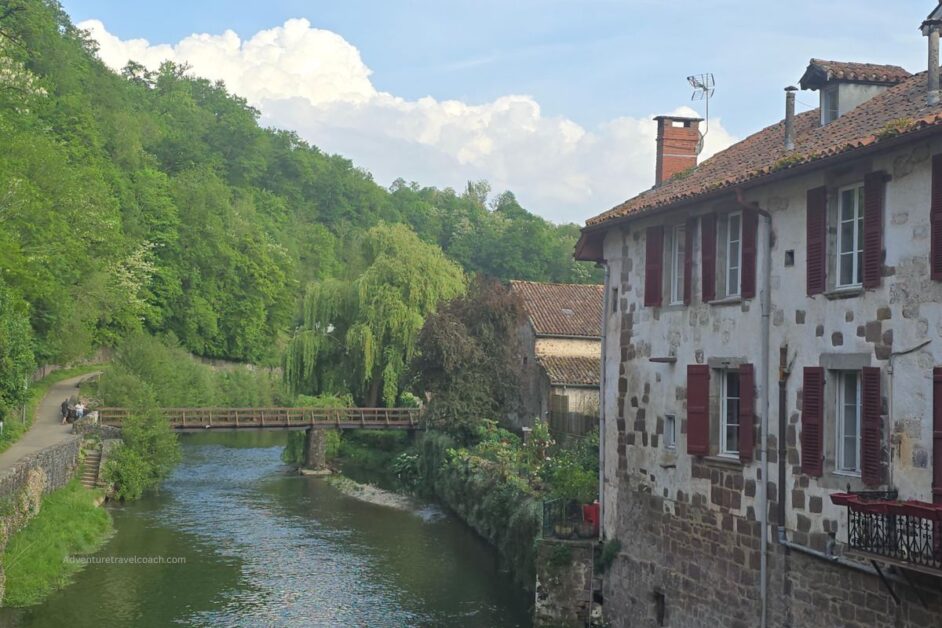
Accommodation on the Camino Francés: The Camino Francés offers the widest range of accommodation of all the Camino de Santiago routes, including municipal and private albergues, pensions, guesthouses and hotels. With accommodation available in almost every town and village, finding a place to stay is rarely a problem, although booking ahead is recommended during the peak pilgrimage season.
Ready to start planning? My Complete Guide to the Camino Francés takes you through the route, stages, accommodation, packing and practical tips.
Camino Portuguese
The Camino de Santiago Routes Portugal offers several route options with diverse scenery ranging from beach promenades, villages and historical medieval towns with cobblestones, and rural landscapes, to lush forests with water streams. There are three routes of approximately 280 kilometres long which typically take 12 to 15 days to complete. Although most Portuguese Camino pilgrims start in Porto, you can also start further south in Lisbon or at various points along the route. You can check out the Camino Portugués maps to help you follow each route.
Cobblestone on the Camino Portuguese: The walking surfaces which consist of a mix of asphalt, cobblestones, footpaths and boardwalks is very tiring and tough on your feet.
- The Central Route: The most traditional inland path of the Camino de Santiago, it traverses lush forests, historic towns, and ancient Roman roads, offering a deeply cultural and rural pilgrimage. Spanning about 244 km, it takes roughly 10-14 days to complete.
- The Coastal Route: Also known as the Caminho da Costa, it is a scenic route that travels 30% along the Atlantic coastline through beaches and fishing villages before it merges with the Central Route in Redondela. The approx. 280 km takes roughly 12-15 days to complete.
- The Litoral Way (Senda Litoral): A scenic route that runs 80% along the Atlantic beaches and fishing villages. Covering roughly 280 km to Santiago, it stays closest to the ocean, often following beach promenades and wooden boardwalks.
- The Spiritual Variant (Variante Espiritual): A 3-day optional detour starting from Pontevedra, featuring monasteries, beautiful scenery and a boat journey that commemorates the final leg of the journey associated with Saint James.
Difficulty and length
- The Central Route: The most traditional inland route presents more hill climbs.
- The Coastal Route: The Camino Portuguese coastal route follows the Atlantic coastline before joining the Central Route in Spain.
- The Litoral Way (Senda Litoral): Stays closest to the ocean, often following beach promenades and wooden boardwalks.
- The Spiritual Variant (Variante Espiritual): An optional detour from Pontevedra, featuring monasteries, beautiful scenery and a boat journey that commemorates the final leg of the journey associated with Saint James.
Accommodation on the Portuguese Camino
The Camino Portugués offers an excellent range of accommodation, including municipal and private albergues, pensions, guesthouses and hotels. Whether you choose the Central, Coastal or Litoral route, accommodation is readily available, although booking ahead is recommended during the peak pilgrimage season.
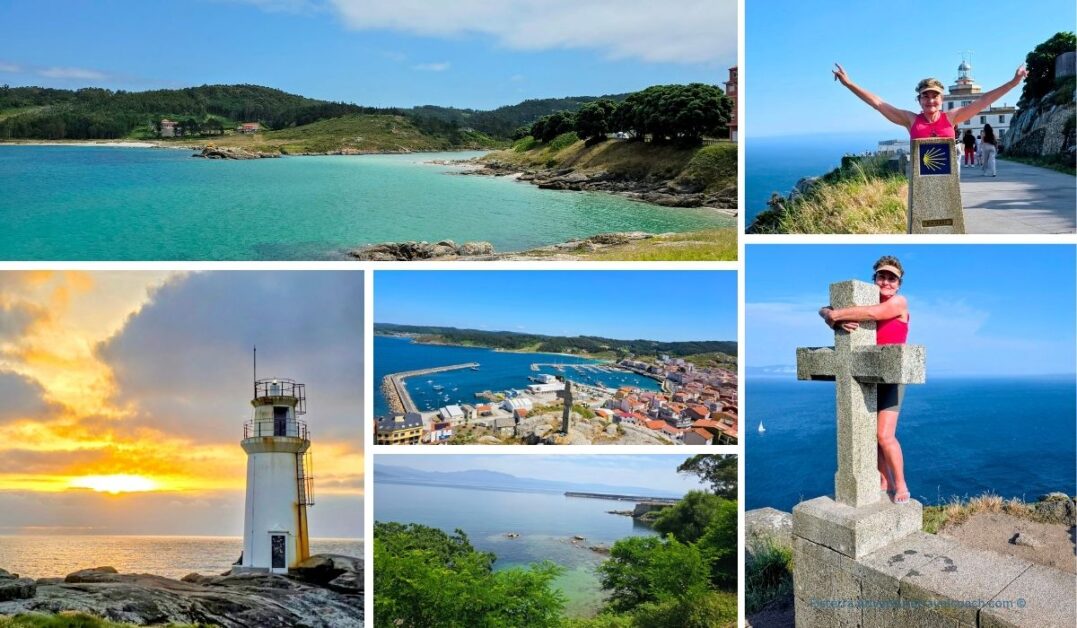
Camino del Norte
The Camino del Norte offers a breathtaking journey through four Spanish regions: the Basque Country, Cantabria, Asturias and Galicia. Highlights of the Camino del Norte include the golden beaches and royal palace of Santander, the cider houses, fishing harbours and spectacular Picos de Europa views in Asturias, the famous Cathedrals Beach near Ribadeo, and the peaceful final stretch through the rolling Galician countryside to Santiago de Compostela.
Difficulty and length
Starting in Irún, the Camino del Norte stretches approximately 825 kilometres to Santiago de Compostela and typically takes 35 to 40 days to complete. Considered one of the most physically demanding Camino de Santiago routes, its difficulty comes from the continuous steep ascents and descents along the Atlantic coastline, with occasional ferry crossings and rugged cliffside paths requiring sturdy footwear.
Accommodation on the Del Norte route: The Camino del Norte offers a wide range of accommodation, including municipal and private albergues, guesthouses and hotels. As the route passes through popular coastal towns and seaside resorts, accommodation is generally easy to find, although booking ahead is recommended during the busy summer months.
The Camino Primitivo
Also known as the Original Way, the Camino Primitivo rewards pilgrims with rugged mountain passes, lush mist-covered forests and a peaceful sense of solitude. Along the Way, you’ll cross ancient Roman bridges, pass sparkling reservoirs such as the Embalse de Salime, and walk through authentic rural villages and tranquil woodlands.
Difficulty and Length
The Camino Primitivo is regarded as one of the most physically demanding Camino de Santiago routes. From Oviedo to Santiago de Compostela, the route stretches about 321 kilometres and typically takes 12 to 14 days to complete. Its frequent steep climbs and descents across the Cantabrian Mountains, together with more limited services, make it a challenging route. Many experienced pilgrims consider the Camino Primitivo more demanding than the Camino del Norte due to its steeper terrain and more remote sections.
Accommodation on the Camino Primitivo: Accommodation along the Camino Primitivo includes municipal and private albergues, pensions, and small hotels. As services are more limited than on the more popular Camino routes, plan your stages and book ahead during the peak pilgrimage season.
Vía de la Plata
Also known as the Silver Way, the Vía de la Plata crosses four of Spain’s autonomous regions. The scenery changes dramatically, from the sun-baked olive groves and dehesas (open oak woodlands) of Andalusia to the vast golden plains of Castile and León, before reaching the lush, misty mountains of Galicia.
Difficulty and length
Starting in Seville, the Vía de la Plata is approximately 960 to 1,000 kilometres long and typically takes 6 to 8 weeks to complete, depending on your daily distance and rest days. Considered one of the most challenging Camino de Santiago routes, its difficulty stems from its length, hot summer temperatures and limited infrastructure rather than steep terrain.
Via de Plata Accommodation: Accommodation along the Vía de la Plata ranges from municipal albergues to private hostals and hotels. As towns and accommodation are often 25 to 35 kilometres apart, careful planning is essential. Therefore, booking ahead is recommended, particularly outside the main pilgrimage season.
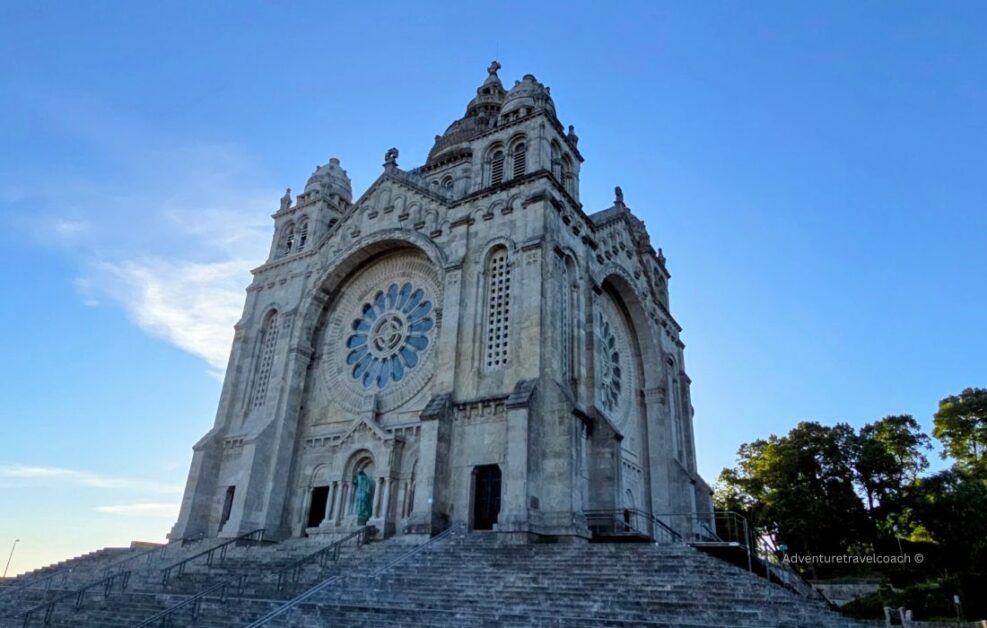
English Way
Also known as the Camino Inglés, the English Way offers a stunning mix of coastal views, lush eucalyptus forests, rolling Galician countryside, farmland and medieval bridges, passing through charming towns such as Pontedeume and Betanzos.
Difficulty and length
The English Way is one of the shortest and most manageable Camino de Santiago routes. Although it includes a few steep climbs and descents, it is generally considered a moderately difficult route, making it suitable for anyone with a reasonable level of fitness. At approximately 119 kilometres, the Camino Inglés (English Way) from Ferrol to Santiago de Compostela can typically be completed in 5 to 6 days, making it an excellent choice for pilgrims with limited time.
Accommodation on the English Way: With good infrastructure, the English Way is well served by a range of accommodation, from municipal and private albergues, guesthouses, pensions, and hotels. Most pilgrims complete the route in five stages, with overnight stops in Pontedeume, Betanzos, Hospital de Bruma, Sigüeiro and Santiago de Compostela, where you’ll find accommodation to suit most budgets. During the busy season, booking ahead is recommended, particularly if you prefer private rooms.
Best Time to Hike the Camino de Santiago
The best time to hike the Camino de Santiago is during spring (April to June) and autumn (September to October), when temperatures are generally mild and walking conditions are ideal. Summer brings longer days but also larger crowds and higher temperatures, while winter offers greater solitude but fewer services and more challenging weather on some routes.
Travel Insurance for the Camino de Santiago
No matter which Camino route you choose, comprehensive travel insurance is essential. It can protect you against unexpected medical emergencies, trip cancellations, lost luggage and travel delays, giving you peace of mind throughout your pilgrimage.
Before you leave, compare the best travel insurance for the Camino de Santiago to ensure you’re covered for long-distance walking and any adventure activities included in your policy.
Which Camino de Santiago Route Is Right for You?
There is no single “best” Camino de Santiago route—only the one that’s right for you. Every Camino offers a unique experience, whether you prefer dramatic coastlines, mountain trails, historic towns or peaceful countryside.
Choose the route that matches your fitness level, the time you have available and the type of experience you’re looking for. Most importantly, walk at your own pace and enjoy every step of the journey.
🥾🇪🇸 Not sure which Portuguese Camino walk to choose?
Dreaming of walking the Camino de Santiago? From stunning scenery and charming villages to practical advice for planning your journey.
👉 Read my Complete Guide to the Camino Francés will help you get ready for this unforgettable adventure!
Continue exploring the Camino de Santiago routes! I’ll be publishing detailed guides to each Camino de Santiago route in Spain, including stage-by-stage itineraries, route maps, accommodation, packing tips and practical advice to help you choose and plan the perfect pilgrimage.
Long days on the Camino require the right fuel. Here are the best snacks for Hiking to keep you going from sunrise to sunset.
Whichever Camino you choose, prepare well, walk at your own pace, and enjoy every step of the journey – Buen Camino!