Your Ultimate Guide To South Africa’s Kruger National Park
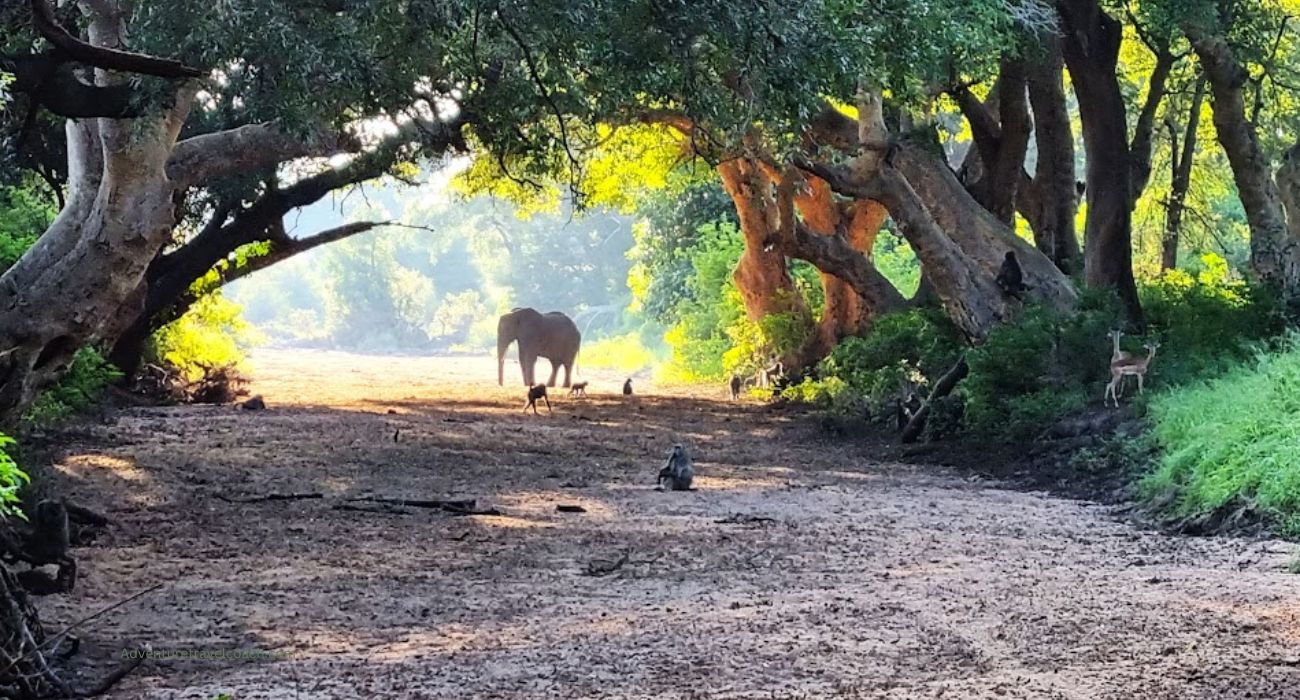
Imagine waking up to the distant roar of a lion, the air still cool from the night, and the first blush of sunrise spilling over the savanna. This is Kruger National Park — South Africa’s crown jewel of wildlife conservation and one of the most diverse safari destinations on Earth. In this guide, I cover everything you need to plan your dream Kruger adventure: the best time to visit, how to get there, what to expect, and insider tips to make your trip unforgettable.
📜 About Kruger National Park
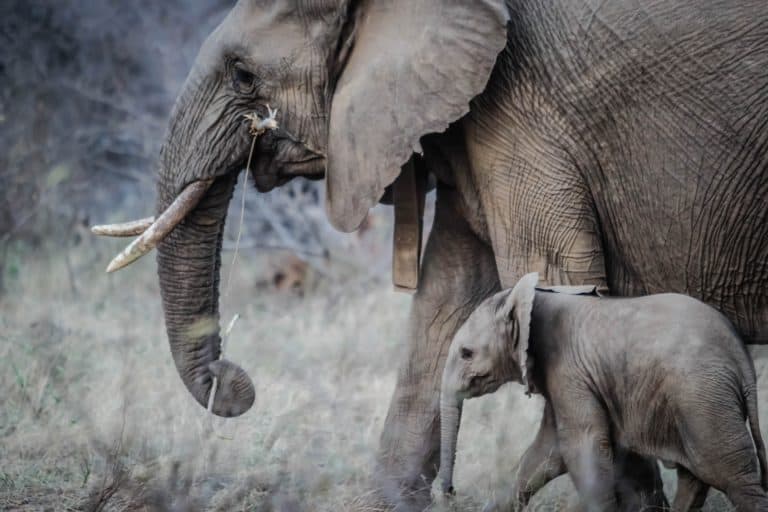
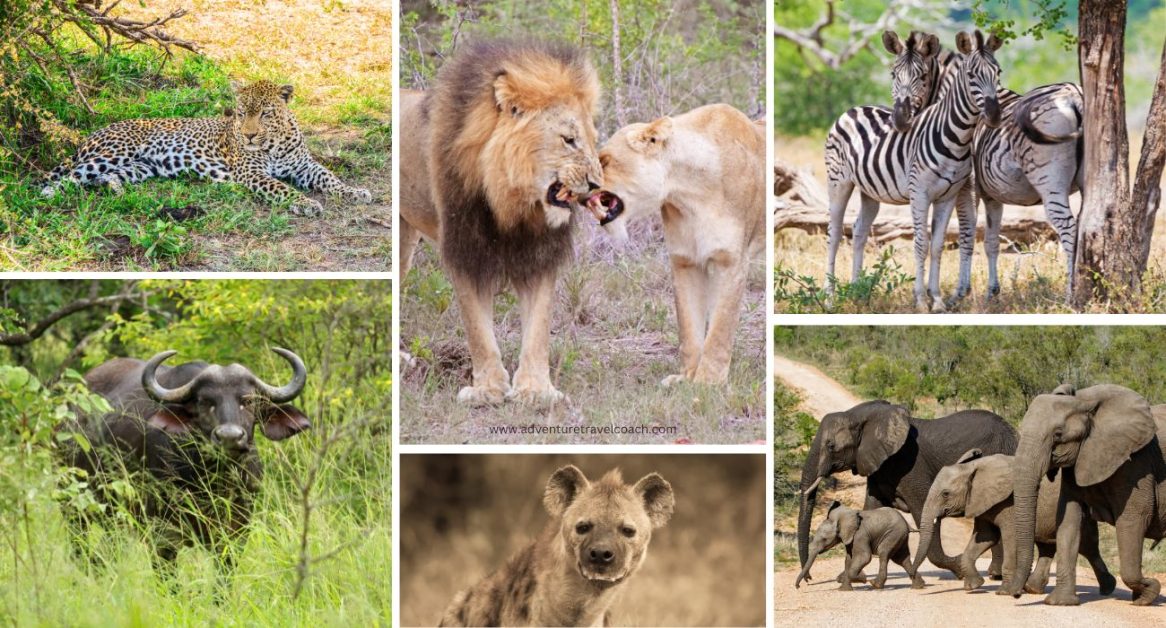
Did you know Kruger National Park is roughly the size of Israel or Wales? 🌍 Kruger National Park, established in 1898, is not only South Africa’s first national park but also one of the oldest and most respected conservation areas in Africa. Spanning nearly 20,000 km², Kruger is a living sanctuary for the Big Five — lion, leopard, elephant, rhino, and buffalo — along with over 500 bird species and an incredible variety of landscapes, from golden savannas to riverine forests.
Whether you’re chasing that perfect wildlife photograph, seeking the thrill of a guided bush walk, or simply dreaming of a peaceful safari under African skies, Kruger has it all.
🌾 Habitats, Landscapes & Wildlife
Kruger spans a variety of unique habitats, each teeming with life:
- Savannah plains: Elephants, lions, and giraffes roam freely.
- Riverine forests: Hippos, crocodiles, and a wealth of birdlife thrive along rivers.
- Bushveld & rocky outcrops: Leopards, smaller predators, and rich plant diversity.
This biodiversity makes Kruger a paradise for wildlife lovers, photographers, and anyone seeking an authentic African bush experience.
🚗 Road-tripping South Africa?
➡️ Get the best routes and highlights in our South Africa Travel Guide 🌍
📆 Best Time to Visit Kruger National Park
When to visit Kruger National Park depends on your desired experience. It is a year-round and relatively popular destination, so booking a year in advance is advisable. For wildlife viewing, the best time to visit Kruger National Park is during winter or spring.
Dry Season (May–September) 🌞🦁
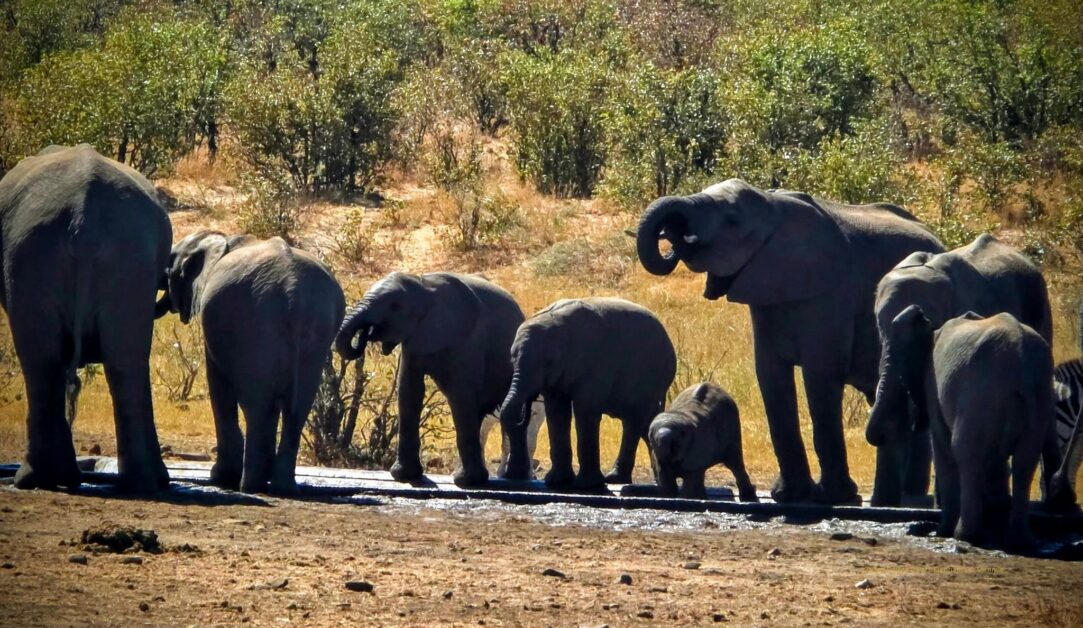
The best time to view wildlife in Kruger is during the dry winter when vegetation thins and water becomes scarce. This is when wildlife gather near permanent waterholes and rivers, creating predictable viewing areas. Additionally, the risk of contracting malaria is at its lowest during this time.
Wet Season (October–April) 🌧️🌸
The hot, rainy summer months transform the park into a verdant landscape with many newborns and abundant birdlife, but make it difficult to observe wildlife due to dense vegetation. It’s important to note that the risk of contracting malaria is higher during this time, so taking precautions, such as antimalarial medication, is recommended. In summer, there are fewer crowds and roads are less busy, with excellent birding, especially as migratory birds are present.
💡 Tip: If you want fewer tourists but good sightings, aim for late April or early September.
This post may contain affiliate links – read my disclosure policy for more info. If you click through and make a purchase, I may earn a small commission at no extra cost to you.
Getting To Kruger
✈️ How to Get to Kruger National Park By Air
Fly into Johannesburg (OR Tambo International) or Nelspruit (Kruger Mpumalanga International Airport), then connect via domestic flights to Skukuza, Hoedspruit, or Kruger Mpumalanga International (MQP).
👉 Compare flights & book the best flight deals here!
🚗 Travel to Kruger by Road
Travelling from Johannesburg to Kruger National Park takes about 5 to 7 hours by car, via the N12 and N4 through Mpumalanga. The Key entry gates inc. Malelane, Crocodile Bridge, and Phabeni.
👉 Reserve your rental car for the Kruger adventure with → Discovercars 🚙💨 or book a
🚐 Shuttle from Johannesburg to Kruger Park, or book a shuttle from Nelspruit to Kruger.
🚪 Kruger National Park Entrance Gates
Kruger National Park has 11 official entrance gates, including two on the Mozambique border. All gates are tarred and clearly signposted, making access easy whether you’re arriving from Johannesburg, Mpumalanga, or Limpopo.
Main Kruger entrance gates include:
- Numbi Gate – Popular access from White River and Mbombela
- Malelane Gate – Convenient for travellers coming from the south
- Phabeni Gate – Easy access for Hazyview visitors
- Phalaborwa Gate – Ideal entry point for northern Kruger
- Punda Maria Gate – Gateway to the remote far north of Kruger
Kruger National Park Gate Times
⚠️ Important: Gate opening and closing times change seasonally, and no vehicles are allowed to enter or exit outside these hours — always plan your arrival with enough buffer time. In summer (November to January), entrance gates open at 5:30 AM and close at 6:30 PM. In winter (April to September), they open at 6:00 AM and close between 5:30 PM and 6:00 PM.
Planning a safari in Kruger? 🦁
👉 Discover the perfect safari in Kruger National Park that suits your needs and expectations.
💡Tip: On the way down, don’t miss Mpumalanga’s scenic Panorama Route!
🐘 Which Region of Kruger Is Best?
The best area depends on your travel style:
- Southern Kruger – Best for first-timers; highest wildlife density and easy access.
- Central Kruger (Satara region) – Famous for big cats, open grasslands, and predator action.
- Northern Kruger (Pafuri & Shingwedzi) – Remote, quiet, excellent for birding and a wilderness feel.
👉 Don’t miss the magic of Kruger!
Book your Kruger safari and experience the Big Five up close! 🐘🐆
📸 Photography & Wildlife Highlights
Kruger is a photographer’s paradise — elephants at waterholes, leopards in trees, hyenas at sunrise, and dramatic predator sightings on open plains.
Tips: 300mm+ zoom lens, binoculars, best times for predator sightings – to capture those once-in-a-lifetime Big Five shots!
✨ Ready to capture the wild?
Book your Kruger Photo Safari today and experience Africa through your own lens!
🌅 Unique Kruger Experiences
🚙 Self-Drive Safaris in Kruger
The best way to see Kruger National Park is with a self-drive safari. This way, you can explore Kruger at your own pace and enjoy the freedom of the open road. Stop at viewpoints, waterholes, and picnic spots along the way to make the most of your adventure. Perfect for independent travellers.
👉 Planning a safari?
Read my full guide: How to experience the Best Safari in Kruger National Park – including safari types, and lots of tips.
🌿 Bush Camps & Overnight Bird Hides in Kruger
Kruger National Park offers far more than self-drive game viewing. For travellers wanting a deeper connection with the bush, the park also features guided walking safaris, rustic bush camps, and overnight bird hides.
Balule Rest Camp is one of Kruger’s most authentic stays — a satellite camp with no electricity and minimal fencing, offering a true back-to-basics wilderness experience.
For bird lovers and photographers, Kruger’s hides are a real highlight. Pioneer Bird Hide, near Mopani Rest Camp, overlooks a large dam and offers both day visits and overnight stays, with limited access to keep the experience peaceful. Nearby, Shipandani Overnight Hide overlooks the Sweni River and is designed for quiet, immersive birdwatching.
One of the park’s most popular spots, Lake Panic Bird Hide, is especially magical at dawn and dusk, when birds and animals gather at the water’s edge. These experiences allow visitors to slow down, step out of the vehicle, and experience Kruger in a far more intimate way.
🥾 Guided Walking Safaris in Kruger National Park
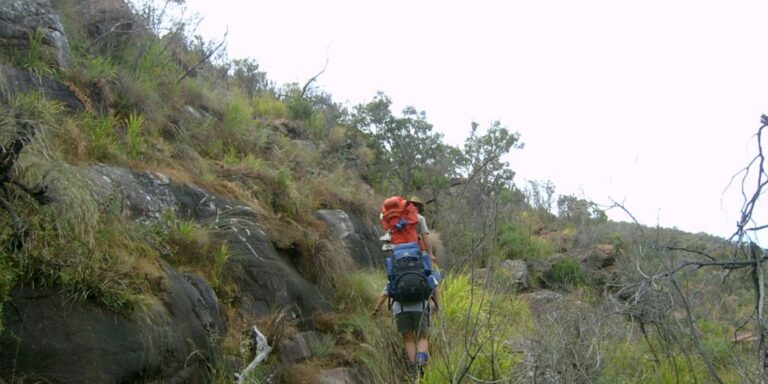
Exploring Kruger National Park on foot offers one of the most immersive wildlife experiences in South Africa. Walking safaris allow you to slow down and focus on animal tracks, wildlife behaviour, birdlife, insects, and bush ecology — details often missed from a vehicle.
Led by armed, highly experienced SANParks rangers, these guided trails reveal a side of Kruger few visitors experience. Kruger offers several wilderness walking trails through different bushveld regions, each with its own landscapes and wildlife focus areas.
👉 Ready to trade four wheels for two feet?
Discover Kruger’s wilderness trails and guided walking safaris 👣.

🌿 Private Reserves of the Greater Kruger
Several renowned private game reserves form part of the Greater Kruger National Park, including Sabi Sand, Timbavati, Thornybush, and Balule. Importantly, there are no fences separating these reserves from Kruger, allowing animals to roam freely across the greater ecosystem.
These private reserves are internationally recognised for their exceptional game viewing, particularly leopard sightings, with Sabi Sand often regarded as one of the best places in the world to see leopards in the wild.
Unlike the public sections of Kruger, private reserves offer off-road game drives and night safaris, led by expert rangers and trackers. With fewer vehicles and exclusive lodge access, they provide a more intimate, luxury-focused safari experience, while remaining part of the greater Kruger wilderness.
👉 Explore safari lodges in the Greater Kruger private reserves and also enjoy exclusive Big Five encounters.
🛖 Luxury Lodge Safaris
For comfort and exclusivity, private reserves offer lodges with sunset drives, bush walks, gourmet dining, and premium wildlife viewing. Whether it’s a romantic getaway, a family-friendly safari, or a once-in-a-lifetime bush experience, these Kruger Park lodges combine wildlife immersion with five-star comforts.
✨ Dreaming of luxury in the bush? Check availability and book your Luxury Kruger lodge stay here ➜

🌍 Kruger National Park tips for beginners
- Rules: Stay in your vehicle on self-drives.
- If the unforeseen occurs -such as our front wheel bursting less than 500 meters from a leopard in a tree—stay calm and contact the nearest rest camp!
- Contact no’s and airtime: Have the contact numbers for Kruger Park Camp readily available, as unexpected situations can occur at any time.
- Kruger National Park entrance fees: for updated conservation fees and day rates, visit Sanparks
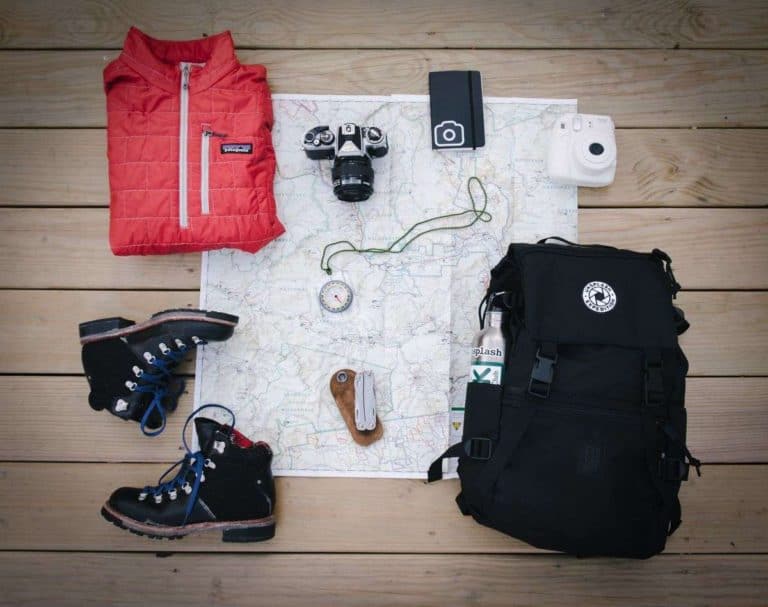
- Essentials: Binoculars, hat, sunscreen, insect repellent, and camera 📸.
- Route Tip: On the way down to Kruger, make Mpumalanga’s Scenic Route part of your journey. It’s close to several Kruger Park entrance gates 🦁.
- Always be prepared for the unexpected – with Travel Insurance from SafetyWing.
- 🗺️ Kruger National Park map: See the full park layout, gates, rest camps, and main routes here 👉 Kruger Park Maps
📌 Final thoughts: Kruger truly has something for everyone — from budget campers to luxury safari lovers. Whether you walk, drive, or join guided tours, this iconic national park delivers wild Africa at its best.
✨ How to Go on Safari in Kruger National Park
👉 Read more ➜ Kruger Park Safari Guide, Inc. regions & Camps
🦓 Can’t visit Kruger?
South Africa has several other excellent game reserves where you can still experience Africa’s Big Five. While many are fenced, they offer incredible wildlife encounters in a shorter time frame — ideal for tight itineraries.
👉 Explore other top game reserves in South Africa here!
A little help from my travel buddy, ChatGPT by OpenAI, and Grammarly Premium went into creating this post!