Ultimate Guide To The Jungle In Peru – Amazon Rainforest
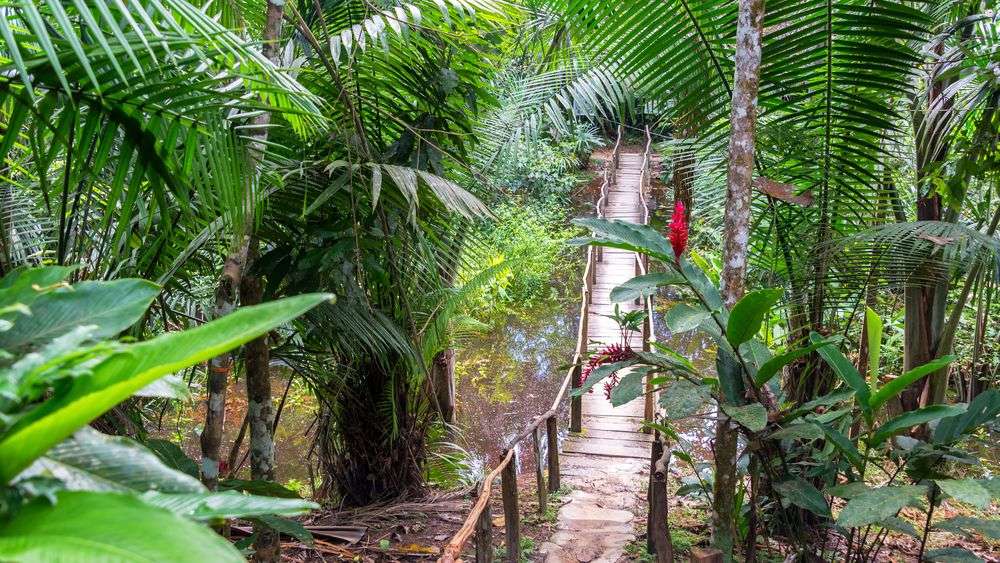
A trip to Peru is not complete without exploring the incredible Amazon Rainforest, the largest rainforest in the world. This vibrant ecosystem is home to over 10 million species, including 1,800 different bird species, and offers an unforgettable adventure. Peru’s three distinct jungle areas boast rich biodiversity, making them perfect for exploration and adventure. Often referred to as the “Lungs of the Earth,” the Amazon rainforest in Peru, along with the jungles of Southeast Asia, produces 20% of the planet’s oxygen.
We found it difficult to choose between Iquitos and Puerto Maldonado, but ultimately, we opted for the Tambopata region, where we had incredible wildlife encounters. I’m excited to share our Peru jungle itinerary filled with tips for your adventure.
Where is the Jungle in Peru?
The Amazon Rainforest, also known as the Amazon Jungle Peru, is situated in the eastern part of the country along the Amazon River. It encompasses the regions of Loreto, Ucayali, and Madre de Dios.
How do you decide which jungle in peru to visit
When deciding among Iquitos, Puerto Maldonado, and Manu, there are several important factors to consider. Each of these aspects can significantly enhance your adventure and ensure a fulfilling experience. When selecting a jungle in Peru for exploration, it’s essential to take into account several important factors. These include the diversity of wildlife, accessibility, local guides and tours, safety considerations, the type of ecosystem you wish to experience, and weather conditions.
What type of environment do you want to experience
- Iquitos the largest city in the Amazon rainforest is more developed, and a popular destination with a vibrant urban atmosphere, mixed with nature.
- Puerto Maldonado, the gateway to the southern Amazon rainforest, balances tourism with local life and is known for eco-tourism opportunities, and lodges providing immersive experiences.
- Manu National Park, UNESCO World Heritage site is more remote and untouched with fewer visitors, incredibly diverse wildlife and pristine ecosystems.
Consider the activities you wish to indulge in
- Iquitos may be the right choice if you’re interested in cultural experiences and like exploring markets in a lively city.
- Puerto Maldonado ideal for wildlife enthusiasts, giving you the chance to see a variety of species in their natural habitat.
- Manu is perfect for serious nature lovers and birdwatchers, as it is home to an abundance of flora and fauna, including many endemic species.
Accessibility and Travel logistics
- Iquitos can be reached by flights directly from major cities.
- Puerto Maldonado often requires a combination of flights and ground transport.
- Manu typically entails a more adventurous journey involving river trips or guided tours.
Lastly, think about the level of tourism you are comfortable with. By considering these key factors—environment, activities, accessibility, and tourism levels—you can make a more informed choice.
What River in Peru connects to the Amazon River? About halfway upstream from Iquitos, the Amazon divides into the Ucayali River and the Marañón.
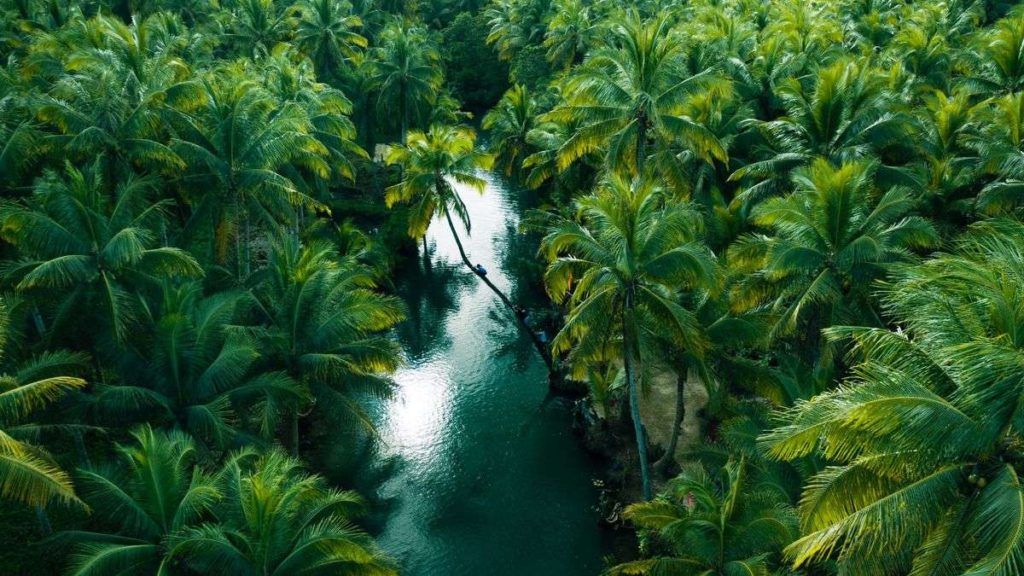
Amazon Rainforests in Peru
The Peruvian jungle consists of three distinct regions:
Manu National Park
The region is characterised by a hot and humid climate, rich in biodiversity, supporting a wide variety of wildlife and indigenous communities.
- Location: located in the Lower Jungle, closer to sea level – primarily a large, remote, protected area accessed via Cusco or Puerto Maldonado.
- Best for: Longer, more remote, and often more expensive expeditions due to its size and remoteness.
- Access: Can be reached from Cusco by road or from Puerto Maldonado via a combination of car and boat travel.
- Key features: One of the most biodiverse regions on earth, with many rare and endangered species. It is also home to indigenous tribes.
Iquitos
This region is characterised by the presence of the Amazon River and hosts numerous endemic species, and a vital area for conservation efforts.
- Location: In the Amazon Basin in the northeastern part of Peru, situated on the Amazon River.
- Best for: River-based adventures, luxury cruises, lush rainforest and rich biodiversity – and accessing a different ecosystem.
- Access: Only by boat or a ~2-hour flight from Lima.
- Key features: Home to river wildlife like pink river dolphins, and a major port for river cruises.
Puerto Maldonado
Characterised by its elevated altitudes, which contribute to cooler temperatures in the region.
- Location: Situated in the Upper Jungle in the southeastern part of Peru, at the confluence of the Tambopata and Madre de Dios rivers.
- Best for: More accessible tours, shorter trips, and diverse wildlife viewing such as giant otters, macaws, bird species and distinct plant life.
- Access: Accessible by road from Cusco or by air.
- Key features: Often chosen for its proximity to Cusco and its famous macaw clay licks and giant river otters.
Together, these regions play a crucial role in Peru’s ecology and cultural heritage.
Tambopata National Reserve & FAQ
Puerto Maldonado is known as the gateway to the Amazon rainforest Peru’s Tambopata National Reserve and the largest province in the Madre de Dios Peru region. Easily reached from Cusco, Madre de Dios Peru is less touristy than most other Peruvian Jungle regions. Where is Tambopata National Reserve? Puerto Maldonado city is located in the southeastern region of Peru, and situated near the confluence of the Madre de Dios and Tambopata rivers.
How to get to Puerto Maldonado in Peru
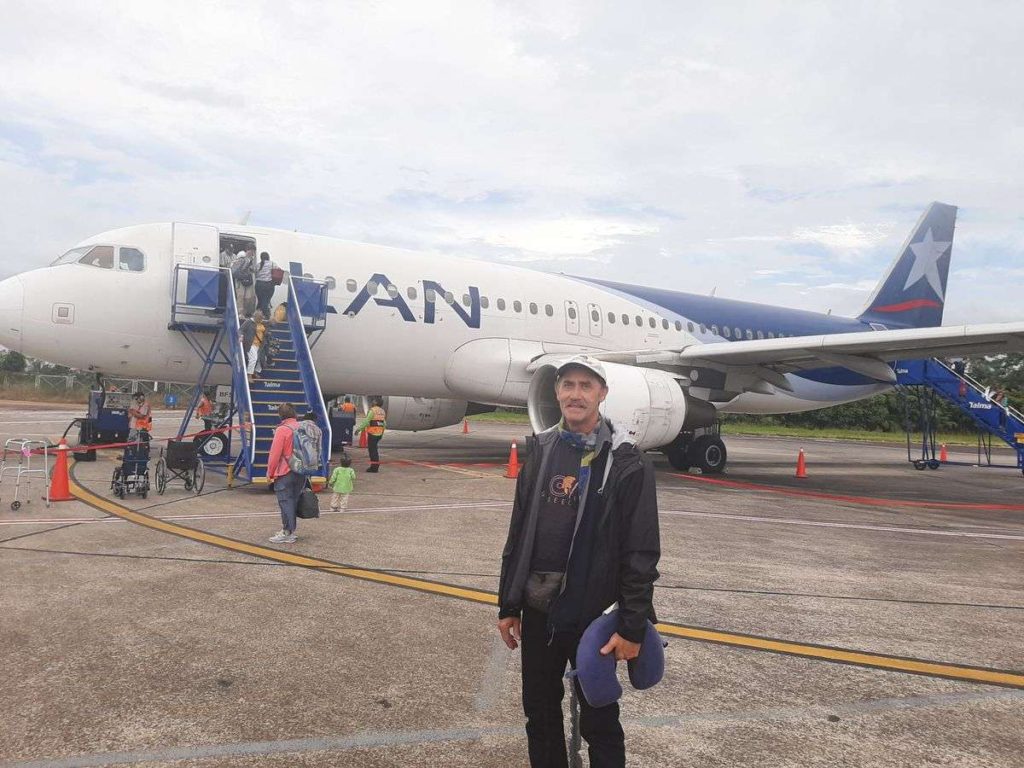
Getting to Puerto Maldonado, Peru, can be an exciting journey. This vibrant city, known for its proximity to the Amazon rainforest, and accessible in several ways. Peruvian Airlines flights from Cusco (PEM) to Madre de Dios Puerto Maldonado (CUZ) are relatively affordable and the best option.
By Air ✈️
The most common route is to fly into the Puerto Maldonado Airport (PEM). Several airlines operate flights from major Peruvian cities like Lima and Cusco. Padre Aldamiz International Airport, or Puerto Maldonado International Airport, serves Puerto Maldonado. Flight duration from Lima- 1,5 hours, and from Cusco 60 minutes.
By Bus 🚌
For those who prefer land travel, there are bus services from Lima – around 24 hours, with the Cusco Puerto Maldonado bus, – about 12 hours with only one 30-minute stop at Quince Mill – so be prepared for a lengthy ride.
👉 Want to travel by bus? to book, go to → direct bus Cusco to Puerto Maldonado 🚌.
By Car 🚗
Driving to Puerto Maldonado is another option, though it is advisable for experienced travellers familiar with Peru’s road conditions. The drive from Cusco is scenic but can take around 10 hours.
How to get around in Puerto Maldonado
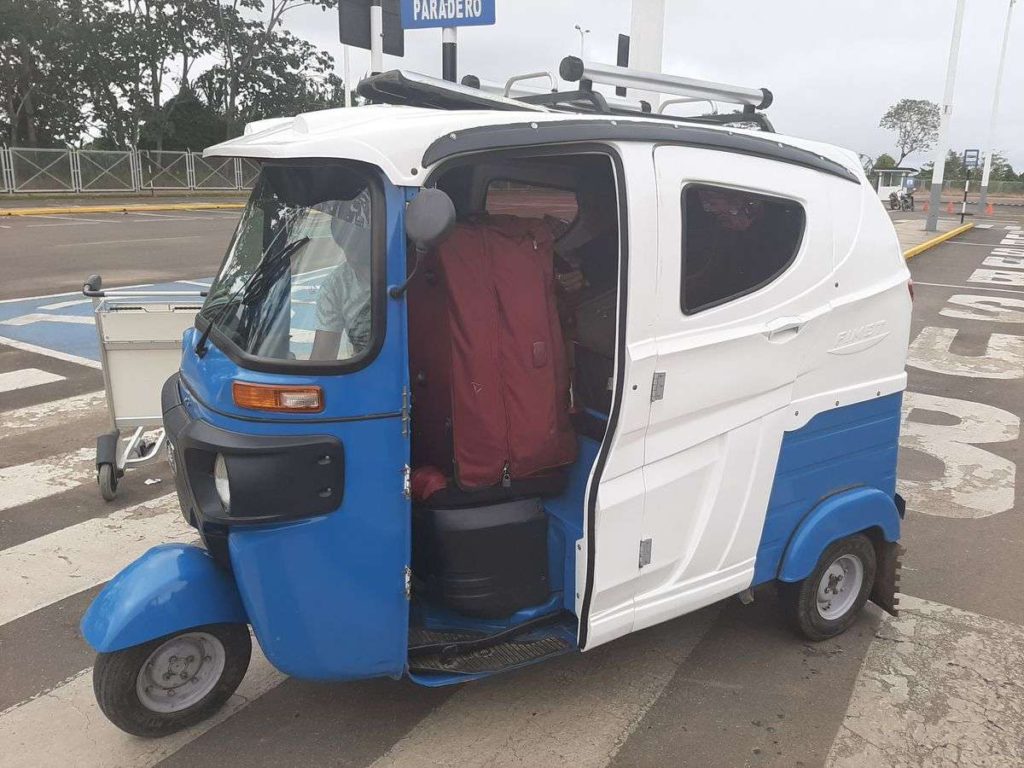
Getting around in Puerto Maldonado is straightforward due to its small size. Walking is easy for short distances, and bicycle rentals are also available for those who prefer an eco-friendly option. Mototaxis offer a quick and affordable option for longer trips, with motorcycle-driving taxis the cheapest option for travelling around Puerto Maldonado. Traditional taxis can be found in town or booked. For exploring attractions, consider organised tours. Below an image of our Airport Taxi Puerto Maldonado.
Tambopata Rainforest Tours
There are many reasons to visit the Tambopata, Madre de Dios Peru region of the Jungle in Peru. Here are the best Tambopata tours and most popular Peru Jungle attractions. I recommend at least a 2-day Tambopata Rainforest tour.
Visit the Amazon Rainforest Macaw Clay Lick
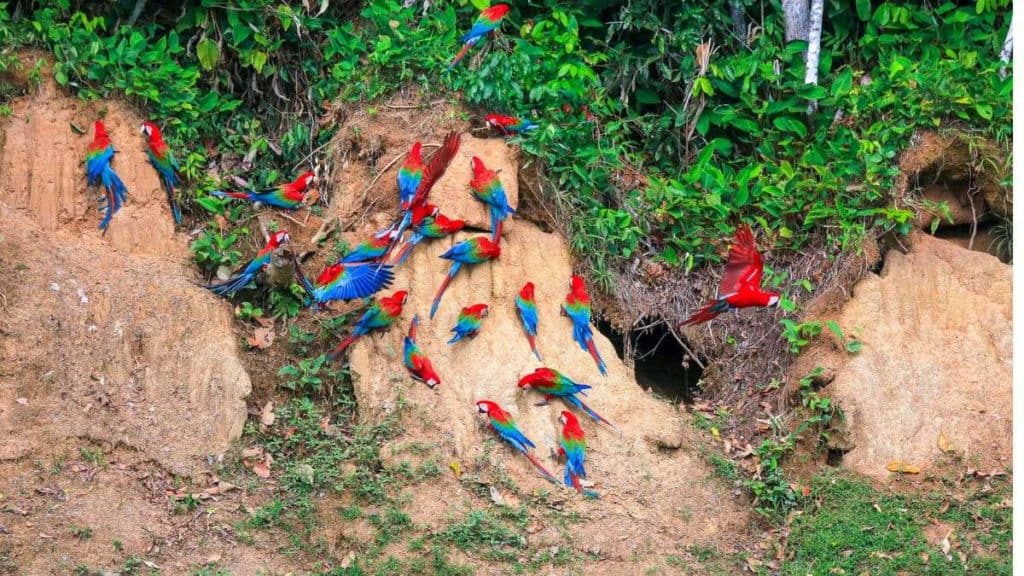
One of the top attractions during Riverboat Amazon Rainforest Tours is the giant macaw and parrot spectacle near the Tambopata Research Center. At the famous Macaw Clay Lick, up to 15 parrots and macaws gather daily to indulge in detoxifying clay. Tours to this site are a highlight; just be sure to leave before sunrise to secure a good viewing spot. While having breakfast, we enjoyed watching the colourful macaws and green parrots arrive for their feast.
Take Pleasure in the Largest living rodent on Earth
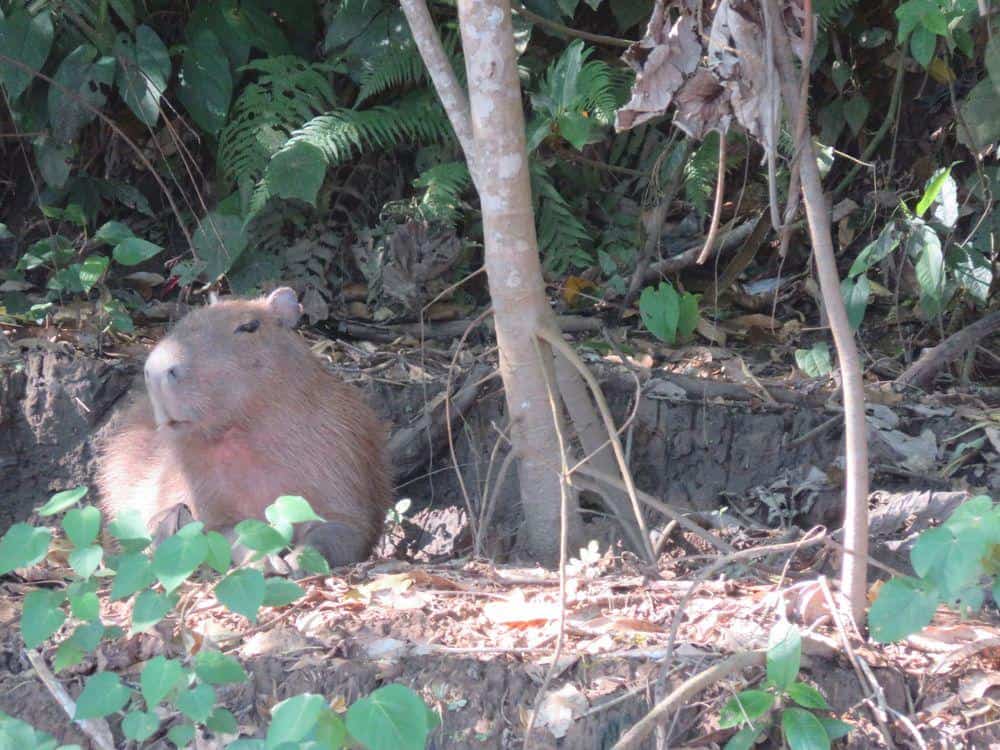
Capybaras are the largest rodents in the world, often found along riverbanks in Peru’s jungles. These social animals thrive in South American forests and savannahs, captivating onlookers with their friendly nature and unique size.
Admire the slowest animal on earth
Sloths are known as the World’s slowest animals. The Sloth Bear is among the rarest and endangered species in South America’s tropical rainforests. Three-toed Sloths are moving leisurely at only 1.8 to 2.4 m per minute through the trees in the Amazon of Peru.
With a name synonymous with passivity, the truth is that sloths move so slowly for survival. What is most fascinating is that these cute Sloths are arboreal animals—their matted hair hosts green algae and a community of parasites that camouflage them from predators.

Jaguars in Peru
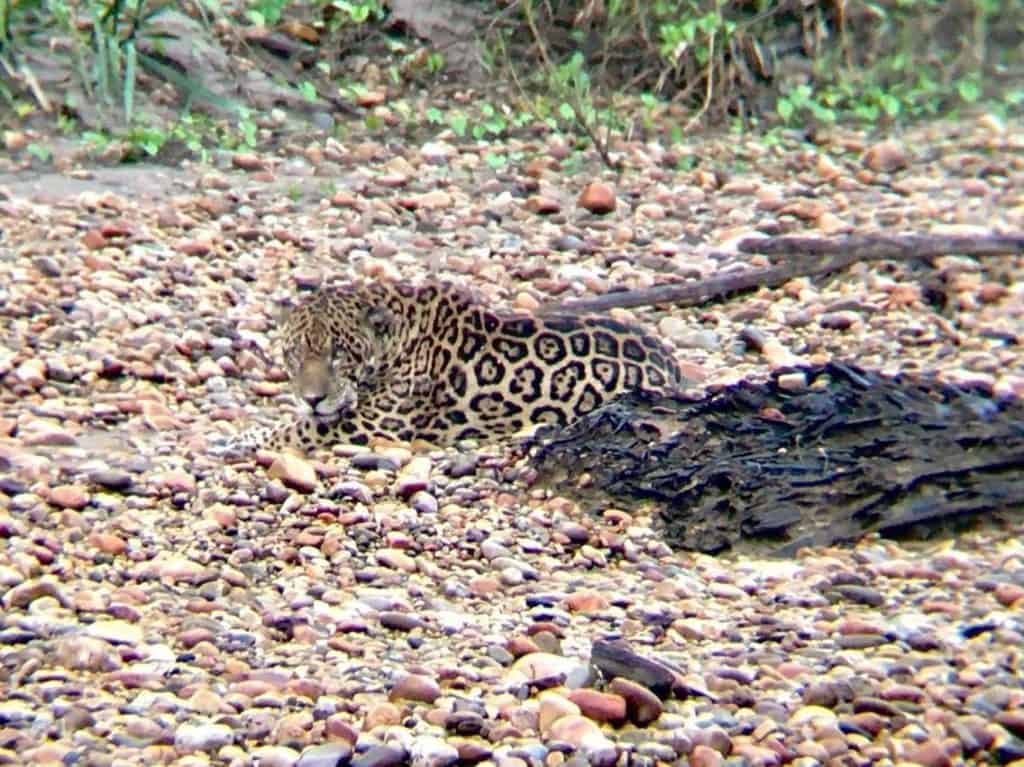
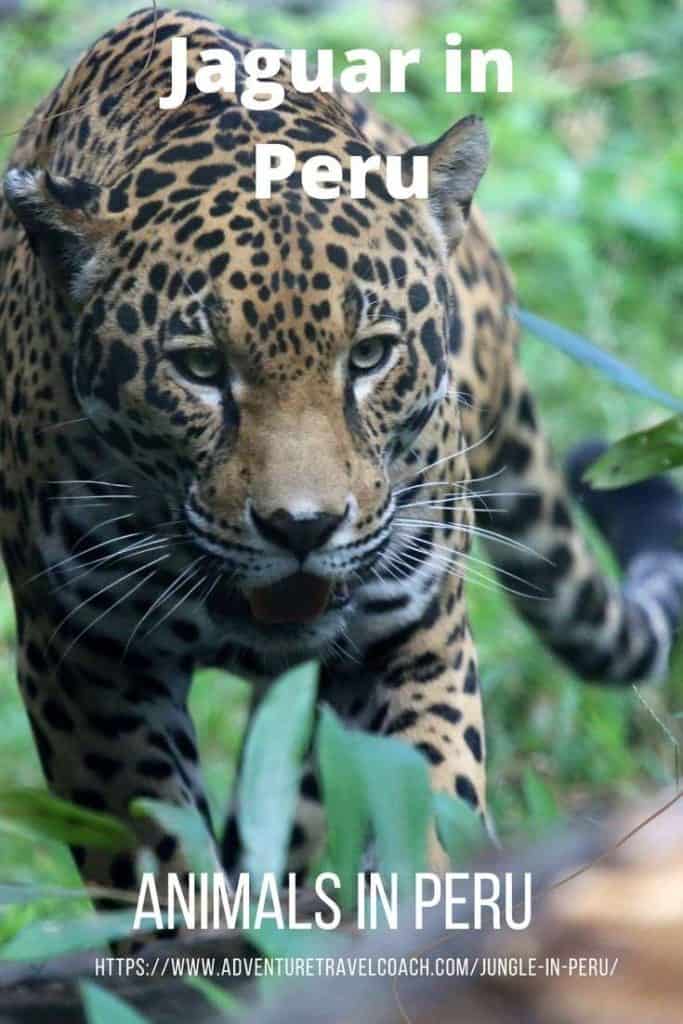
Otorongos, or Jaguars in Peru, are mainly seen on the Madre de Dios riverbanks. These predators derive their name from the Tupi-guarani language. Jaguars are excellent swimmers, love water, and like to sunbake. Alan Luinga, our guide, took this beautiful photo of a Jaguar in the Jungle in Peru.
Rainforests Snakes
The World’s tropical rainforests are home to numerous snakes. There are more types of snakes in the World’s tropical Rainforest than in any other biome (tropical rainforests provide the perfect habitat for snakes to survive and flourish; these regions are warm, wet, and shady, with plenty of prey for snakes.
Guided Jungle Tours 🌿
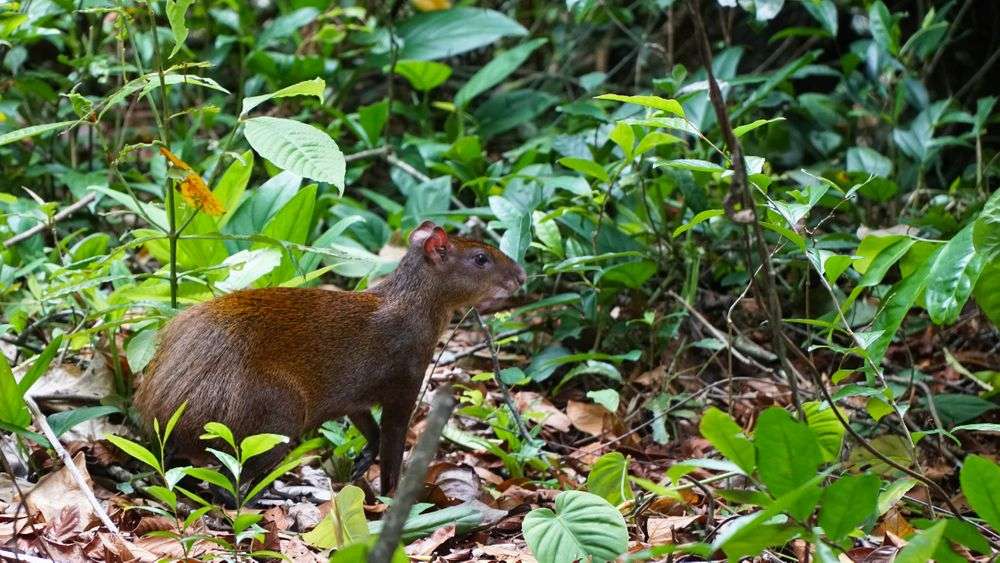
It is very rewarding to explore the jungle in Peru on day walks and search for jungle animals, either on your own or on a guided tour. Discover a variety of rainforest animal species. In the Amazon rainforest, animals are splendid; most believe they are undiscovered. Aside from Agouti, the common mammal in the Amazon rainforest, we also spot a wild dog during our Jungle expeditions.
Along with squirrels, peccaries, and multiple monkey species, we observe beautiful butterflies. Apart from the different birdlife species and lovely flowers, the Amazon rainforest, with its plants and trees, will blow your mind away.
Jungle Expedition at Night
I recommend Night Jungle walks in search of the Nocturnal Amazon rainforest animals. From Bearded Pigs, Night owls, Night monkeys, owl Monkeys, Andean bears, the Maned Wolf bush dog, and the beautiful Ocelot dwarf leopard. Ocelots are active at night and are great swimmers spotted on rainy and cloudy days. These dwarf leopard Andean bears are good swimmers but shy, solitary creatures who like to hide in hollow trees. Check the following list of nocturnal animals in the Rainforest.
Tambopata National Reserve Sandoval Lake
Close to Puerto Maldonado in the Amazon basin lies Sandoval Lake. At Lake Sandoval, we’ve seen various Jungle animals, such as squirrels, parrots, and many other beautiful bird species.
Furthermore, you might also be lucky to spot the famous Sandoval giant otters, highlighting our trip to Sandoval Lake Lodge.
- Experience Black Caiman in Lake Sandoval and along the savanna of the Amazon basin.
- Admire the fantastic Birdlife.
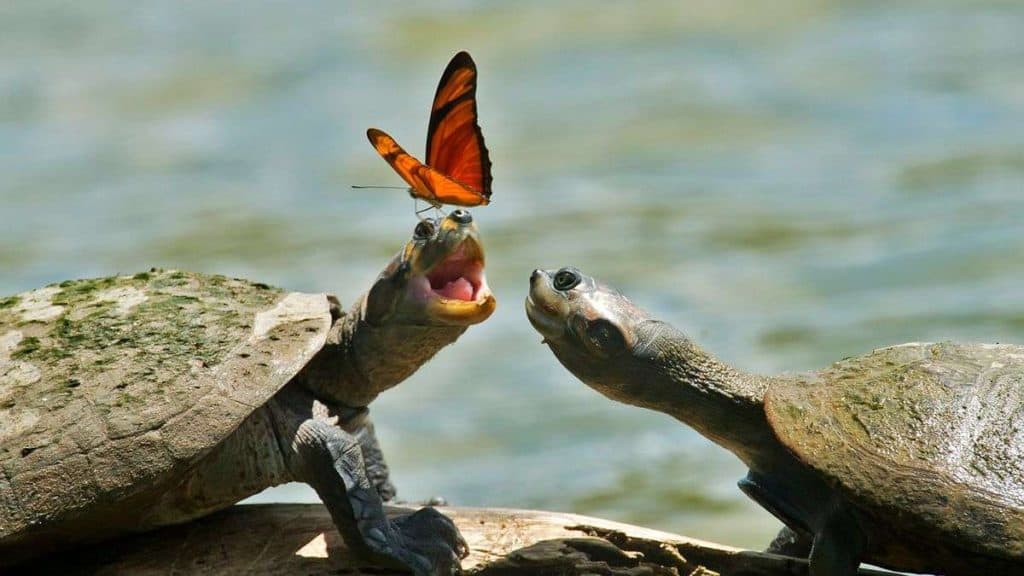
- Watch Butterflies drinking tears of Turtles for their rich minerals at Sandoval Lake.
👉 Experience the Giant Otters and more – on a day trip from Puerto Maldonado to Sandoval Lake 🌿
Explore the rainforest – book a magical Sandoval Lake on a 4-Day, 3-Night Guided Tour
Why do butterflies drink the tears of Turtles?
Butterflies in the Amazon basin flock around the turtles to drink their tears, which are rich in minerals and sodium.
The Sandoval Giant Otters
One of our best experiences at Sandoval Lake was watching the Giant River Otter family. They are so cute, but unfortunately, it is impossible to follow them as they swim too fast. These Giant River Otters are exclusively active during the daytime. Want to know more about the cutest Amazon river Otter mammals? You can read more on diurnal Giant Otters here.
Seeing and hearing the small Otter pups begging mom and dad impatiently for fish with their sharp squeaking voices was unique and adorable. We overnighted at the famous Sandoval Lake Lodge. However, it is well-known and pricey, so don’t expect to get 5-star food for the 5-star rate they charge.

Tambopata National Reserve
Where to stay at Lodges en Tambopata
Tambopata Research Centre
The only Lodge inside the National Reserve of Tambopata is 3.5 hours from Puerto Maldonado. In addition to guided activities, all meals and transport from the airport are included. Check prices for accommodation at Tambopata Research Centre Lodge.
Puero Maldonada Lodges
The eco-friendly charming Refugio Amazonas Lodge is only 2 hours from Puerto Maldonado city (one hour by boat and 2 hours by bus). The Lodge has a restaurant and offers several Guided tours and activities. For reviews, prices, and bookings, go to Accommodation at Refugio Amazonas Lodge.
We booked two nights at Passiflora Lodge outside Puerto Maldonado from the few Puerto Maldonado lodges. Read all about our 3 weeks in Peru where we also spent three days at Chuncho Lodge. Chuncho Lodge, located deep in the Peruvian Jungle, is in the Tambopata National Reserve and is only reachable by riverboat. Here are a few experiences during our time in the Jungle:
- Besides featuring a canopy tower overlooking the Jungle, we went on a jungle expedition and a night walk.
- Early morning River boat trip to the Timetacular Rainforest Macaws Clay Lick.
One of the highly rated jungles in the Amazon rainforest is the Puerto Maldonado Inkaterra Reserva Amazonica, overlooking the Madre de Dios Peru rainforest. At Puerto Maldonado, one can explore the Jungle from a spectacular 100-foot Canopy Walkway.
Iquitos Jungle in Peru
Iquitos is the largest globally, and it is only accessible by riverboat or Plane from the cities of Lima or Cusco, Peru.
Where are Iquitos & How to get to Iquitos?
Amazing Iquitos rainforest is located in north-eastern Peru, South America. The best way to get from Lima to Iquitos is by Plane. With a distance of 1 013 km between Lima and Iquitos, you’ll reach your destination in about 55 minutes.
Things to do in Iquitos
Experience the wonders of the Amazon rainforest and wildlife in Iquitos. In addition to the abundance of Amazon Rainforest animals, interact with indigenous groups, experience their culture, and learn about their traditions. Moreover, explore the markets.
Pacaya Samiria National Reserve
Explore the 20,000 km squarely flooded tropical forest Pacaya Samiria National Park covers to experience Pink Dolphins, incredible sunsets, Iquitos Wildlife, and fantastic flora. These rare Pink river dolphins, both or Bouto, are commonly found in freshwater throughout South America’s Amazon rivers and Orinoco river basins.
Piranha Fishing
Fishing in the Amazon jungle in Peru is unlike any other fishing method. Check out the popular Iquitos tours below.
Iquitos Jungle Tours
The Worldmazon Monkeys
If you find monkeys interesting, the Amazon rainforest Monkeys play a vital role in the forest ecosystem. Nine of the 15 recognized species live in the Amazon rainforest. Moreover, the smallest Monkey in the Amazon is the Pygmy Marmoset, the smallest monkey in the World.
Then you hear the adorable load of howler monkeys from miles away. But, of course, the most exciting monkeys in the Jungle are the Spider Monkeys. Squirrel Monkeys, Titi Monkeys, Tamarin Monkeys, and the extraordinary Bald Uakari and Worldy Monkeys are other monkeys.

Manu National Park
The Manu National Park in the Madre de Dios region in the Jungle of Peru has protected its diverse ecosystems, Andean grasslands, and the Manu cloud forest since 1968.
Where is Manu in Peru
One of the most fascinating adventure trips in the World runs through the Andes Mountains, Madre de Dios region, in southern Peru. Cusco is the gateway to all trips leading to Manu Wildlife Center.
How to get to Manu Rainforest in Peru
The road journey from Cusco to Mano is spectacular, and it is a day-long journey through astonishing mountain ranges and cloud forests. To save time, we took a short, inexpensive flight. By Plane, from Cusco to Lima is a 45-minute flight, and then it is about an 8-hour journey, first by road and then by riverboat.
Be prepared for a day’s riverboat ride along the Madre de Dios to experience the giant otter, tapir, and macaw clay clicks. When looking at the Manu tour prices, consider the Logistics involved in planning a Peruvian Amazon journey.
Where to Stay in Manu
Although many Lodges are available to tourists in the Manu Biosphere, not all are accessible and open to tourists. Known as Zone B, the areas open to tourists run along the western and eastern edges, including the Madre de Dios River. Only sure scientists can access the restricted areas known as Zone A. World-renowned Manu Wildlife Center Lodge, located in the southern Peruvian Rainforest, offers incredible Wildlife tours and is highly rated Manu Lodge.
Best things to do in Manú National Park
Endangered Rainforest Animals
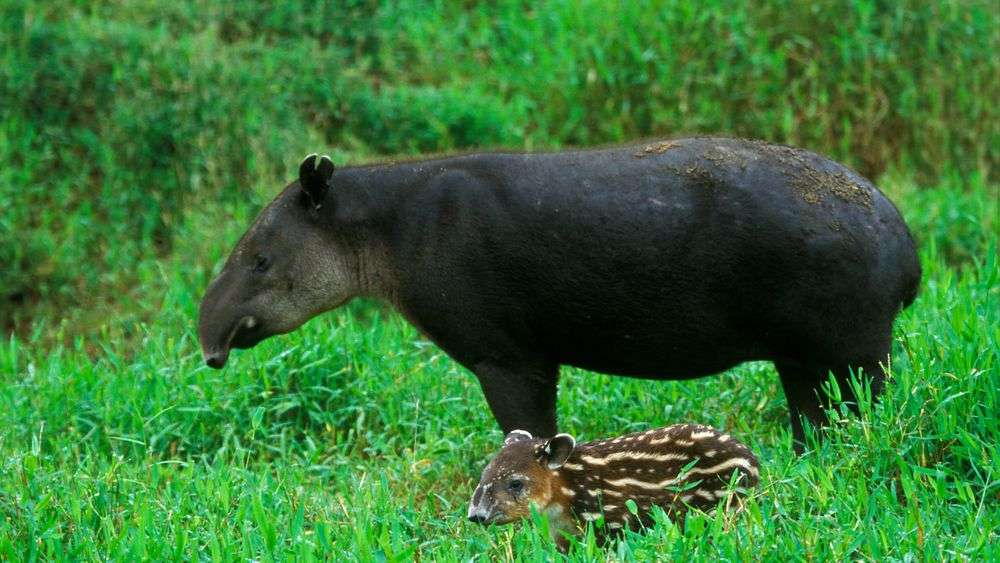
The Manu Jungle offers the Amazon’s best Tapir Clay Lick, where you can watch these social Jungle animals weighing up to 600 pounds feasting on Clay. Tapirs are one of the endangered animals in the Amazon Rainforest. With its round donkey-like build, the South American Tapir has short legs, anteater snouts, a stumpy tail, and hippo-like ears.
Their four toes on each front foot are a real hodge-podge and are related to Rhinos, herbivores, and native to South America. The indigenous Tapirs’ name is Brazilian, meaning thick, referring to the Jungle animal’s hide. Tapir calves are cute and look like speckled watermelons that act as camouflage to protect them in the shady forest.
- Experience one of the unique adventures in the Amazon jungle.
- View the Jungle from the 40m superior Amazon Rainforest Canopy.
- Admire the famous Andean Cock-of-the-rocks bird, the National bird of Peru. The Cock of the rock bird is found in tropical and sub-tropical forests native to South America. These brightly orange-coloured Cock of the Rock males are unique with their prominent fan-shapJunglests.
- Visit the Macaw Clay Lick, explore the Jungle, and look out for Capuchin monkeys, hummingbirds, spectacle bears, and various reptiles and insects.
- Search for the Giant River Otters on the riverbanks of Pristine lakes.
Best time to Visit the Jungle in Peru
The world’s tropical rainforests are home to more types of snakes than any other biome (area). With plenty of prey and its wet, humid climate, the tropical Rainforest provides the perfect habitat for snakes to survive and flourish.
Jaguars in Peru
The best time to spot Jaguars in the Manu Biosphere ReserTimes is during the Jaguar Season, which runs from May to July. For more Jaguar experiences in Peru, see Amazon Wildlife Peru and recommended Manu tours.
Check out our 21 Days in Peru post to find the most popular Time to Trek in Peru, Machu Picchu Hiking tours, the best Trails, and our 3-week Itinerary. During the Jaguar Season from May to July, the best time to spot Jaguars in the Manu Biosphere Reserve is during the Jaguar Season.
Peru Travel Insurance
One of the first steps when planning holidays in Peru is to take out Travel Insurance. You can now obtain a free Quotation for the best Travel Insurance in Peru on the banner below.

This article was edited using Grammarly’s AI power tool for spelling, grammer and style.
Share on Pinterest
Insects and Animals in the Jungle in Peru
Spiders of the Amazon
Besides animals in the Jungle, you’ll be amazed by watching the insects in the Amazon Rainforest. The largest Tarantula species lives in the Peruvian Amazon in the tropical and subtropical areas and the desert regions. Approximately 3,600 different species of spiders inhabit the Amazon basin.